 en
 中文简体
 русский
 Español
 Deutsch
 Polskie
 REQUEST A QUOTE

 Home / Author / Linnea Qiao — International Sales Manager / Large Rotational Molding Mold for Flower Pots: Advanced Tooling for Durable, Scalable Landscaping Products
Large Rotational Molding Mold for Flower Pots: Advanced Tooling for Durable, Scalable Landscaping Products
Content
- 1 Why Large Flower Pots Require Specialized Rotational Molding Tooling
- 2 Core Design Features of the Large Rotational Molding Mold
- 3 Advantages of Rotational Molding Compared with Other Production Methods
- 4 Product Categories Supported by Large Flower Pot Tooling
- 5 Advanced Mold Manufacturing Process
- 6 Company Manufacturing Strengths and Technical Capabilities
- 7 Performance Properties of Rotationally Molded Flower Pots
- 8 Recommended Production and Maintenance Practices
- 9 Selection Guide for Buyers
- 10 Comparison of Mold Configurations
- 11 Economic and Environmental Considerations
- 12 Frequently Asked Questions
- 12.1 Q1: What is a large rotational molding mold for flower pots?
- 12.2 Q2: What materials are commonly used for the finished flower pots?
- 12.3 Q3: Can drainage holes be formed during molding?
- 12.4 Q4: Can the same mold produce different flower pot sizes?
- 12.5 Q5: How long does custom mold production usually take?
- 12.6 Q6: How many cycles can a large flower pot mold withstand?
- 12.7 Q7: Can color be added directly during rotational molding?
- 12.8 Q8: Can customized architectural shapes be produced?
- 12.9 Q9: What information should a buyer provide when requesting a quotation?
- 12.10 Q10: What makes Jiangsu Zhroto Mould Co., Ltd. suitable for this type of tooling?
- 13 Conclusion
- 14 References
- 15 Product: Large Rotational Molding Mold for Flower Pots
Large flower pots have become an important product category for commercial landscaping, public infrastructure, hospitality projects, garden centers, residential developments, and architectural planting applications. As planter dimensions increase, manufacturers face more demanding requirements related to wall thickness, structural stability, dimensional accuracy, surface appearance, thermal control, and production repeatability. A large rotational molding mold for flower pots is designed to address these requirements through a carefully engineered cavity and a manufacturing process optimized for large, hollow plastic products.
Unlike conventional small planter tooling, large-format rotational molding molds must manage a greater cavity surface area, larger resin charges, longer heating and cooling cycles, and increased handling loads. The mold must support the even distribution of polymer powder over curved surfaces, corners, rims, bases, ribs, and drainage areas. At the same time, it must allow the finished pot to be removed without deformation or surface damage.
Rotational molding is particularly suitable for manufacturing large flower pots because it creates seamless, hollow products with relatively low tooling investment compared with injection molding. The process can produce large and complex geometries without weld lines, and it permits color, texture, drainage features, and branding details to be incorporated into the product design. When the mold is properly engineered, the resulting flower pot can combine lightweight construction, strong impact resistance, outdoor durability, and attractive appearance.
This article explains the design characteristics, manufacturing advantages, technical performance, applications, and maintenance requirements of large rotational molding molds for flower pots. It also examines how Jiangsu Zhroto Mould Co., Ltd. supports customers through product engineering, precision mold manufacturing, trial validation, and integrated production services.
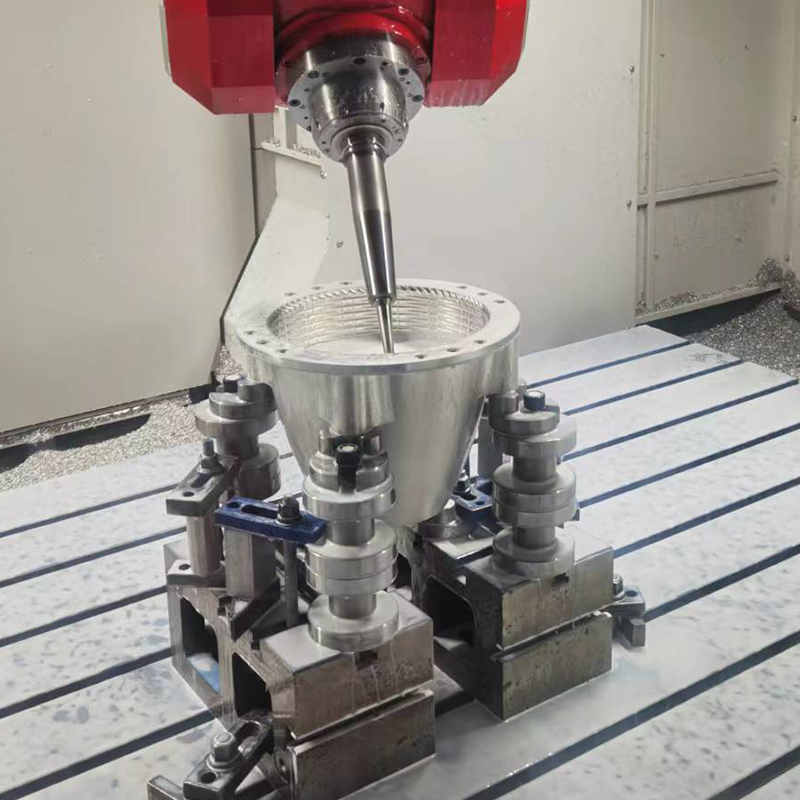
Large Rotational Molding Mold for Flower Pots
Why Large Flower Pots Require Specialized Rotational Molding Tooling
A large flower pot is not simply a scaled-up version of a small planter. Increasing the diameter and height of the product changes the way resin moves inside the mold, the way heat reaches the cavity, and the way the finished product responds to soil pressure and outdoor exposure. These changes make mold engineering a critical part of the product development process.
Large planters often hold substantial quantities of soil, plants, water, and drainage material. The combined load can place continuous pressure on the sidewalls and base. If wall thickness is uneven, stress may become concentrated in certain areas, increasing the risk of cracking, deformation, or premature failure. A properly designed large rotational molding mold for flower pots helps distribute material more consistently so that the finished product can support its intended load.
Large products are also more sensitive to thermal variation. The mold must heat sufficiently for the resin to sinter across the entire cavity, including corners and recessed areas. If some areas remain underheated, the plastic may not fuse completely. If other areas receive excessive heat, the material may degrade, discolor, or become unnecessarily thick. Mold material, wall thickness, venting, oven temperature, rotation speed, and cooling conditions must therefore be considered as one integrated system.
Dimensional accuracy becomes increasingly important as the product grows. A small change in rim diameter, base flatness, or sidewall angle can affect stacking, installation, drainage, transportation, or compatibility with inner liners. Large-format planters used in public areas must also sit securely on the ground and maintain a stable visual profile. Mold geometry and controlled cooling are essential for limiting warpage and maintaining the specified shape.
The mold must also accommodate safe and efficient demolding. Large pots may have deep cavities, broad rims, decorative profiles, or undercut-like details. These features can make removal difficult if the draft angle, parting arrangement, or access points are not planned at the beginning of the design process. A professional mold manufacturer evaluates product geometry before fabrication to identify potential release problems and recommend practical modifications.
Core Design Features of the Large Rotational Molding Mold
Uniform Wall Thickness Distribution
Uniform wall thickness is one of the most important performance objectives in rotational molding. During production, polymer powder is placed inside the mold, and the mold rotates around two axes while being heated. As the resin melts, it gradually coats the internal cavity. The final distribution depends on the cavity shape, rotational speed, oven profile, material characteristics, and charge weight.
The mold design must support consistent material coverage on large surfaces and at difficult transitions. Corners, ribs, drainage openings, rim sections, and base areas require special attention because resin may accumulate or become insufficient in these locations. Smooth transitions and carefully considered radii can improve powder movement and reduce areas of excessive or insufficient thickness.
Uniform walls help the finished flower pot resist impact, soil pressure, handling stress, and temperature changes. They also improve dimensional stability and reduce the probability of cosmetic defects. For commercial production, consistent wall thickness reduces product variation between batches and makes it easier to maintain reliable quality-control standards.
Seamless One-Piece Construction
Rotational molding creates a hollow product without conventional weld seams. This is a major advantage for large flower pots because the continuous structure distributes stress more evenly around the container. The absence of joining lines also improves the visual appearance of decorative planters and reduces the amount of secondary finishing work.
Injection-molded large planters may require complex tooling, high clamping forces, and substantial machinery investment. Blow-molded products may have limitations related to shape, wall distribution, or opening geometry. Thermoformed products often require trimming and may not provide the same integrated structure. A rotationally molded planter can emerge from the mold as a continuous hollow body with integrated details and minimal assembly.
Seamless construction is particularly useful for outdoor products. Repeated freeze-thaw cycles, impacts during transportation, and long-term soil pressure can expose weaknesses in joined structures. A one-piece rotationally molded design reduces the number of potential failure points while supporting a clean, durable surface.
Suitable Mold Material Options
The mold body may be manufactured from cast aluminum, fabricated steel, or CNC-machined aluminum. Each option provides different advantages depending on product complexity, production volume, surface requirements, and expected service life.
Cast aluminum is widely used for rotational molding because it offers good thermal conductivity and can reproduce complex curved surfaces. It is suitable for many medium- and high-volume applications and can support relatively fast heat transfer. Cast aluminum also provides a practical balance between weight, durability, and manufacturing flexibility.
Fabricated steel molds offer high strength and extended service life under demanding industrial conditions. They can be advantageous for large, heavy-duty tooling that will be operated frequently or exposed to repeated mechanical handling. Steel molds are generally heavier and may transfer heat more slowly than aluminum molds, so oven settings and cycle parameters must be evaluated carefully.
CNC-machined aluminum molds can provide accurate dimensions and a clean cavity finish. They are often suitable for simpler geometries, prototypes, customized products, and applications requiring precise surface details. The best material choice depends on the intended production quantity, product geometry, available equipment, and long-term cost objectives.
Surface Texture and Draft Angle Engineering
The internal cavity can be finished to produce different exterior appearances on the final flower pot. Smooth finishes may be selected for modern architectural planters, while pebbled, embossed, or textured finishes can provide a more natural appearance and help conceal minor surface marks. Branding, decorative patterns, and visual effects can also be incorporated into the cavity design.
Draft angles are essential for demolding. Vertical surfaces commonly require practical draft, often within a range of approximately two to five degrees depending on the geometry and release conditions. The correct angle helps the finished pot separate from the cavity without excessive force, distortion, or damage to textured surfaces.
Draft design must be coordinated with wall thickness, rim shape, base geometry, and the mold parting line. A decorative profile that looks attractive in a digital model may become difficult to release if it contains abrupt transitions or deep recesses. Early engineering review allows these issues to be addressed before fabrication.
Modular Inserts and Interchangeable Components
Modular tooling can reduce investment when several flower pot variants share a common design platform. Optional inserts may be used to create different drainage-hole layouts, rim profiles, embossed logos, base details, or decorative patterns. Interchangeable core sections can sometimes alter the internal volume or product configuration without requiring an entirely new mold frame.
This approach is especially valuable for manufacturers that offer a product family rather than a single planter size. A modular mold system may allow related products to share structural components while using replaceable sections for specific design changes. It can also simplify the introduction of customized products for landscaping contractors, retailers, hotel groups, or municipal projects.
Modularity must be designed carefully. Insert interfaces should remain stable during rotation and heating, and the connection areas should not create unwanted resin traps or visible marks. The thermal behavior of each insert must also be considered so that the final product maintains consistent quality across different configurations.
Venting and Thermal Management
Large rotational molding cavities require effective venting. During heating, air inside the mold expands and must be released in a controlled manner. Inadequate venting can contribute to internal pressure, deformation, incomplete sintering, or inconsistent surface quality. Vent tubes and vent assemblies should be positioned and maintained according to the product geometry and process requirements.
Mold wall thickness influences how quickly the cavity heats and cools. Excessive thickness may extend cycle times, while insufficient structural strength may result in distortion or damage during handling. A balanced construction helps the mold maintain its shape while supporting efficient heat transfer.
Thermal design is increasingly important when manufacturers use electric-heated rotational molding equipment. Electric systems can provide more precise temperature management and independent heating zones. This capability may be useful for large molds with different wall sections or complex geometry, provided that the mold and machine are designed to work together.
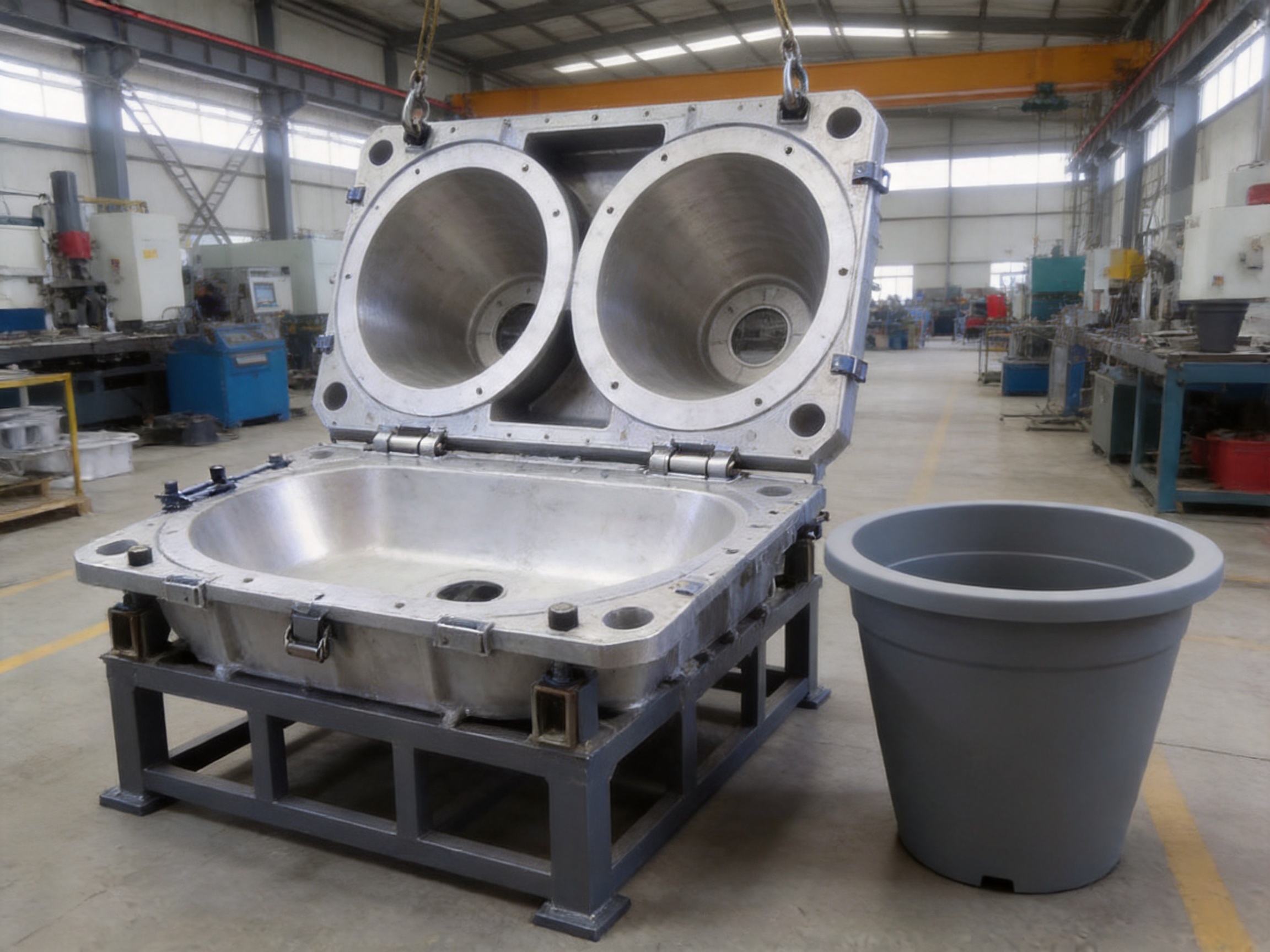
Advantages of Rotational Molding Compared with Other Production Methods
Manufacturers can produce flower pots through injection molding, blow molding, thermoforming, fiber-reinforced processes, or rotational molding. Each method has a suitable application range, but rotational molding provides a strong combination of size flexibility, design freedom, tooling economy, and product durability for large hollow planters.
| Evaluation Criterion | Rotational Molding | Injection Molding | Blow Molding | Thermoforming |
|---|---|---|---|---|
| Tooling Investment | Low to medium | High | Medium to high | Medium |
| Large Product Capability | Very strong | More limited | Moderate | Strong for open shapes |
| Seamless Hollow Construction | Yes | Generally not applicable | Partially dependent on design | No |
| Design Flexibility | High | Very high for smaller parts | Moderate | Moderate |
| Wall Thickness Control | High when properly engineered | High | Variable | Variable |
| Low-Volume Production | Suitable | Usually less economical | Moderate suitability | Moderate suitability |
| Integrated Decorative Features | Strong | Strong but tooling-intensive | Moderate | Limited by forming direction |
| Typical Cycle Time | Longer | Shorter | Shorter | Medium |
Lower Tooling Cost for Large Products
Large injection molds require substantial clamping force and heavy machinery. As product size increases, the cost and complexity of the injection system can rise significantly. Rotational molding uses a relatively low-pressure process, which allows large cavities to be produced without the same level of machine force or high-pressure tooling infrastructure.
This lower tooling barrier makes rotational molding attractive for customized planters, moderate production volumes, and products that may require several design variations. Manufacturers can develop large flower pot molds without committing to the same capital investment associated with large injection tooling.
Very Large Size Flexibility
Rotational molding is well suited to products with large diameters, deep cavities, and hollow construction. It can produce cylindrical, tapered, rounded, asymmetric, and sculptural planters. This flexibility gives designers more freedom to develop large containers for public spaces, commercial entrances, rooftop gardens, resorts, and architectural installations.
Because the process does not depend on high-pressure filling through a narrow gate system, the mold can be designed around the overall cavity rather than around complex injection flow paths. This simplifies certain large-product designs and allows the manufacturer to focus on material distribution, heating, cooling, and release.
Reduced Assembly and Secondary Processing
A rotationally molded flower pot can incorporate several product features into one body. Drainage provisions, mounting areas, reinforced bases, ribs, and decorative structures may be designed into the cavity. This reduces the need for separate components, joining operations, or extensive post-molding assembly.
Color is also integrated into the product during molding. Pigment concentrate can be blended with the polymer charge before loading. The result is through-body color rather than a coating that may peel, chip, or require refinishing. UV-stabilized pigment systems are recommended for pots installed outdoors for extended periods.
Durability in Outdoor Environments
Polyethylene-based rotationally molded products can resist moisture absorption, corrosion, impact, and repeated temperature changes. Unlike metal planters, they do not rust. Unlike some brittle mineral or ceramic products, they are less likely to shatter when exposed to impact or handling stress. Their relatively low weight also simplifies transportation and installation compared with solid masonry or concrete containers.
The final product still requires appropriate material selection and process control. UV stabilization, correct resin grade, adequate wall thickness, and proper cooling all influence service life. A well-designed mold provides the foundation for these characteristics but must be used with suitable materials and validated production parameters.
Product Categories Supported by Large Flower Pot Tooling
Large Decorative Flower Pot Molds
Decorative flower pots are used where visual impact is a major part of the project. Applications include hotel entrances, shopping centers, office developments, public gardens, pedestrian districts, residential communities, and exhibition areas. These products may feature broad rims, curved bodies, geometric surfaces, textured finishes, or custom proportions.
A large rotational molding mold for flower pots in this category must reproduce visual details consistently across repeated cycles. Surface transitions should be smooth enough to support uniform material distribution, while the cavity finish must match the intended appearance. Decorative details should not create unnecessary undercuts or resin traps.
Large decorative planters are often designed in multiple colors and sizes. A manufacturer may use a common design language across a product range, with variations in height, diameter, texture, or base style. Modular inserts can help support this approach when the geometry permits.
Extra-Large Commercial Planters
Commercial and municipal planters are selected primarily for strength, stability, weather resistance, and low maintenance. They may be installed along streets, in parks, outside transportation facilities, around shopping areas, or in resort landscaping. These products can hold large volumes of soil and may remain outdoors throughout the year.
Extra large planter tooling must provide reliable support for the product base, sidewalls, rim, and drainage zones. The mold should encourage consistent material coverage and minimize the risk of warpage during cooling. Products intended for high-traffic areas may also require impact-resistant resin grades and reinforced geometry.
Commercial planters may need to accommodate forklift handling, transportation restraints, irrigation systems, liners, or anchoring components. Such requirements should be included in the product design before the mold is manufactured.
Architectural and Custom Planters
Architectural projects often require distinctive shapes that are not available from standard catalogs. A planter may need to match a building façade, follow a specific landscape concept, or integrate with a public-art installation. The design may include asymmetric surfaces, unusual openings, deep patterns, or special mounting interfaces.
An architectural landscaping plastic mold should be developed from clear product information, drawings, prototypes, or three-dimensional data. Engineering review is necessary to identify areas that could cause uneven material distribution, difficult demolding, or excessive production complexity.
Rotational molding is useful for these projects because the tooling can create relatively large, hollow, customized products without the high-pressure requirements of injection molding. It also supports moderate production runs, which is important for project-based products that may not require thousands of identical units.
Indoor and Rooftop Planters
Indoor atriums, shopping centers, offices, and hotels may use oversized planters as part of interior design. These products may require refined surface finishes, carefully controlled colors, and integrated water-management features. Although indoor planters do not experience the same UV exposure as outdoor products, they still require stable geometry and resistance to moisture from irrigation.
Rooftop gardens present additional requirements. Planters must be lightweight relative to their volume, stable under wind, compatible with waterproofing systems, and capable of supporting the growing medium without deforming. Mold design can incorporate broad bases, anchoring points, drainage outlets, and compatible liner interfaces where necessary.
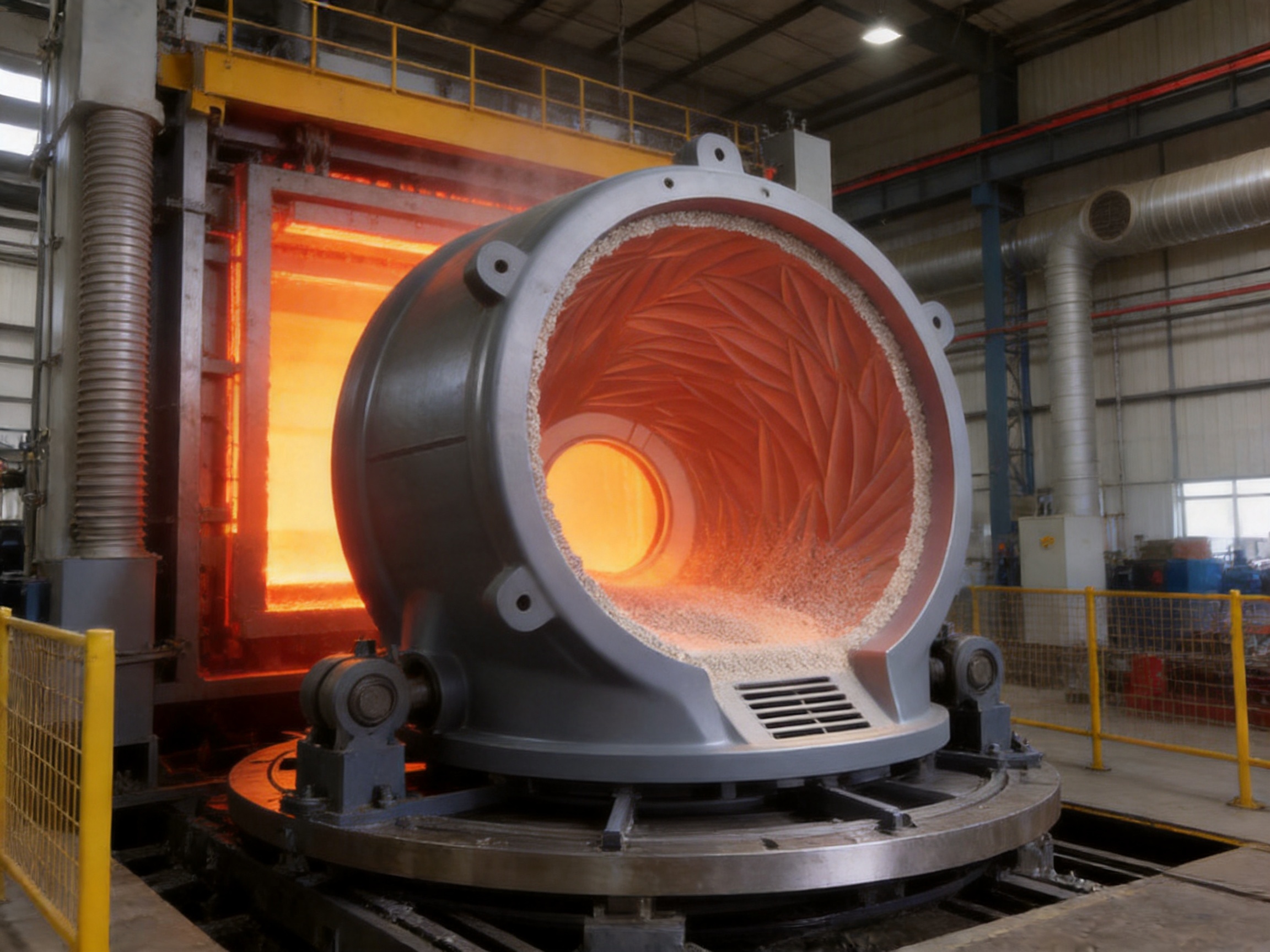
Advanced Mold Manufacturing Process
Project Evaluation and Requirement Review
Every successful tooling project begins with a review of the product concept and production requirements. The mold manufacturer evaluates dimensions, capacity, wall thickness targets, surface finish, drainage design, material grade, anticipated production volume, machine type, and installation environment.
This review helps determine whether the proposed geometry is suitable for rotational molding. It also identifies potential issues involving deep recesses, sharp corners, insufficient draft, thin sections, oversized openings, or difficult parting arrangements. Early communication can reduce later modifications and help the customer establish realistic performance expectations.
Product Design Optimization
Rotational molding product design is different from injection molding or metal fabrication. A product that looks acceptable in a general concept drawing may require adjustment to achieve stable material distribution and reliable release. Engineers may recommend changes to corner radii, wall transitions, base construction, rim thickness, drainage features, or internal supports.
Product optimization also considers how the pot will be used. A planter for a hotel entrance may prioritize surface appearance, while a streetscape container may need additional impact resistance and anchoring provisions. A rooftop planter may require weight reduction and carefully positioned drainage. Design decisions should reflect the complete service environment.
Three-Dimensional CAD Modeling
Detailed three-dimensional modeling allows the manufacturer and customer to review the product before mold production begins. CAD data can be used to assess cavity volume, wall geometry, parting lines, insert locations, draft angles, and access requirements.
Digital modeling also assists with manufacturing preparation. The data can support CNC machining, pattern development, fixture preparation, inspection planning, and trial evaluation. Changes made at the digital stage are generally more economical than changes made after the mold has been completed.
Precision Machining and Mold Fabrication
Depending on the selected construction method, the mold may be cast, fabricated, or machined. Precision manufacturing is required to maintain dimensional consistency between cavity sections and to ensure that parting surfaces fit correctly. Poor alignment can create flash, uneven edges, or difficulties during assembly and demolding.
Large molds also require structural consideration during lifting and handling. Supports, clamps, hinges, frames, and connection points must be strong enough for repeated operation. The finished tooling should be compatible with the customer's rotational molding machine and oven configuration.
Surface Treatment and Detail Control
The cavity surface influences the appearance of the finished flower pot. Depending on the product specification, the mold may receive polishing, texturing, coating, or other finishing operations. Details such as embossed logos, decorative patterns, and drainage features must be inspected for accuracy and consistency.
Surface treatment should also support practical cleaning and release-agent application. Resin buildup can affect product appearance and dimensions, so the cavity should be designed and finished to permit routine maintenance.
Trial Molding and Validation
Trial production is an important stage in large mold manufacturing. During a trial, the mold is evaluated for assembly, rotation, heating, cooling, demolding, and product quality. The resulting sample is checked for dimensions, wall distribution, surface appearance, warpage, drainage performance, and structural behavior.
Process parameters may be adjusted after the first trial. These parameters can include resin charge weight, oven temperature, heating duration, biaxial rotation speed, cooling method, and demolding time. For large products, trial validation is especially valuable because small process differences can have a significant effect on the final shape.
Jiangsu Zhroto Mould Co., Ltd. provides integrated services covering project evaluation, product optimization, three-dimensional modeling, mold production, trial validation, inspection, delivery, and production support. The company manufactures more than 800 mold sets annually and has experience with large curved-surface machining and rotational molding applications.
Company Manufacturing Strengths and Technical Capabilities
Jiangsu Zhroto Mould Co., Ltd. was founded in 2015 and specializes in rotational molding mold design, mold manufacturing, rotomolded product processing, and integrated technical solutions. The company moved to a modern facility in Jiangyan District, Taizhou City, in 2021. The facility covers approximately 18,000 square meters, including more than 12,000 square meters of standardized production workshops.
The company’s manufacturing scope includes molds and rotomolded products used in hydrogen energy storage and transportation, automotive components, industrial equipment, agricultural machinery, water treatment, outdoor facilities, and other sectors. This cross-industry experience is relevant to flower pot tooling because many of the same engineering principles apply to large curved surfaces, hollow structures, thermal management, and outdoor durability.
The company offers one-stop support from product concept and design optimization to mold fabrication, trial production, inspection, delivery, and production assistance. This integrated workflow can reduce communication gaps between product designers, mold engineers, production operators, and quality personnel.
Its management systems include ISO 9001:2015, ISO 14001:2015, and ISO 45001:2018 certifications. These systems support structured procedures for quality management, environmental management, and occupational health and safety. For customers purchasing large rotational molding molds, documented processes can help improve project control and long-term supplier communication.
The company also supports both conventional gas-heated rotational molding equipment and electric-heated rotational molding systems. Since 2023, it has invested in electric-heating technology that provides more precise temperature management and independent heating zones. Zoned control can be useful for large flower pot molds where different sections of the cavity may require careful thermal balancing.
In addition to producing more than 800 mold sets annually, the company has an annual capacity of approximately 3,600 tons of plastic products. This combination of tooling and product-processing capability enables practical feedback between mold design and actual production performance.
Performance Properties of Rotationally Molded Flower Pots
Weather Resistance
Polyethylene-based flower pots can provide good resistance to moisture, UV exposure, and thermal cycling when the correct grade and additives are selected. The material does not rust or absorb water in the same way as many porous materials. This makes it suitable for long-term outdoor landscaping and municipal installations.
Outdoor products should use appropriate UV stabilization and pigment systems. Material selection must also consider the expected temperature range, impact conditions, chemical exposure, and required service life. Mold design and processing conditions must be controlled so that the material achieves the expected properties.
Structural Load Capacity
Large planters may support several hundred kilograms of growing medium depending on their size and intended use. A seamless body with uniform wall construction distributes compressive loads around the pot. The base and lower sidewall areas generally deserve particular attention because they carry much of the vertical and lateral stress.
Structural performance depends on more than nominal wall thickness. Product geometry, resin type, cooling behavior, base design, reinforcement features, and operating environment all contribute to the final result. Engineering validation should be performed when the planter will be used in demanding public or commercial settings.
Surface Durability
Rotationally molded surfaces can resist routine staining, scratching, and biological fouling. Textured finishes may help conceal minor marks, while smooth finishes can simplify cleaning. Through-body color eliminates the need for frequent repainting and reduces the risk of coating failure.
However, surface durability also depends on handling practices. Sharp tools, dragging across abrasive ground, and improper storage can damage any plastic product. Proper packaging and installation procedures help preserve the appearance of large planters.
Dimensional Stability
Controlled heating and cooling are important for maintaining rim diameter, base footprint, height, and overall symmetry. Large parts can retain internal stresses if they are removed from the mold too early or cooled unevenly. Such stresses may result in warpage that becomes more visible as the product size increases.
Adequate cooling time, controlled air movement, suitable mold design, and stable handling procedures help reduce these risks. Inspection should include key dimensions as well as visual checks for distortion, sink areas, surface defects, and incomplete fusion.
Recommended Production and Maintenance Practices
Pre-Production Inspection
Before each production run, operators should inspect the cavity for resin residue, damage, contamination, and blocked venting. Parting surfaces should be clean and properly aligned. Fasteners, clamps, hinges, and frame connections should be checked for correct condition and torque.
Approved release agents should be applied according to the supplier’s instructions. Excessive release agent can affect surface quality, while insufficient coverage may make demolding difficult. The cavity should be clean and dry before resin is charged.
Resin Charge Weight Calibration
Charge weight has a direct relationship with wall thickness. The required quantity should be calculated according to cavity surface area, target thickness, resin density, product geometry, and expected process losses. Inaccurate charging can create under-thick walls, excess material, longer cycles, and unnecessary weight.
For large flower pots, charge weight should be verified through trial samples and periodic production checks. Any change in resin grade, pigment system, or product configuration may require process recalibration.
Oven Temperature and Rotation Speed
The oven profile should follow the resin supplier’s recommendations and the validated process window. Large molds may require longer heating because of their cavity volume and mold construction. Rotation speed and biaxial ratio influence the way material moves and accumulates within the cavity.
Operators should avoid changing several parameters at the same time unless a structured trial plan is being used. Controlled adjustments make it easier to identify the cause of wall-thickness variation, incomplete fusion, or surface defects.
Cooling and Demolding
Cooling should continue until the product has sufficient rigidity for safe removal. Forced air or controlled water mist may be used where suitable, but aggressive or uneven cooling can increase distortion. Large pots should not be removed prematurely because the rim, base, or sidewalls may warp permanently.
Demolding should be performed with appropriate lifting equipment and access procedures. Operators should avoid prying against decorative surfaces or applying concentrated force to thin sections. For large and heavy products, a planned handling system protects both the mold and the finished part.
Periodic Mold Servicing
Vent tubes should be inspected regularly, commonly after every 50 to 100 production cycles or according to the mold manufacturer’s recommendation. Blocked vents can affect pressure balance and product quality. Cavity surfaces should be cleaned with suitable solvents, and resin accumulation should be removed without scratching the finish.
Hinges, clamps, pivot arms, and other moving components should be lubricated according to the equipment schedule. Parting surfaces should be checked for wear, deformation, and flash development. Surface re-polishing or re-machining may be required after extended service.
Storage
When not in use, the mold should be stored in a clean, dry environment. Cavity faces should be protected from impact, moisture, dust, and abrasive contact. Foam padding or low-adhesion protective covers can help prevent accidental surface damage.
The mold should be supported in a way that avoids long-term distortion. Heavy components should not be stacked in an unstable arrangement, and lifting points should remain accessible for future handling.
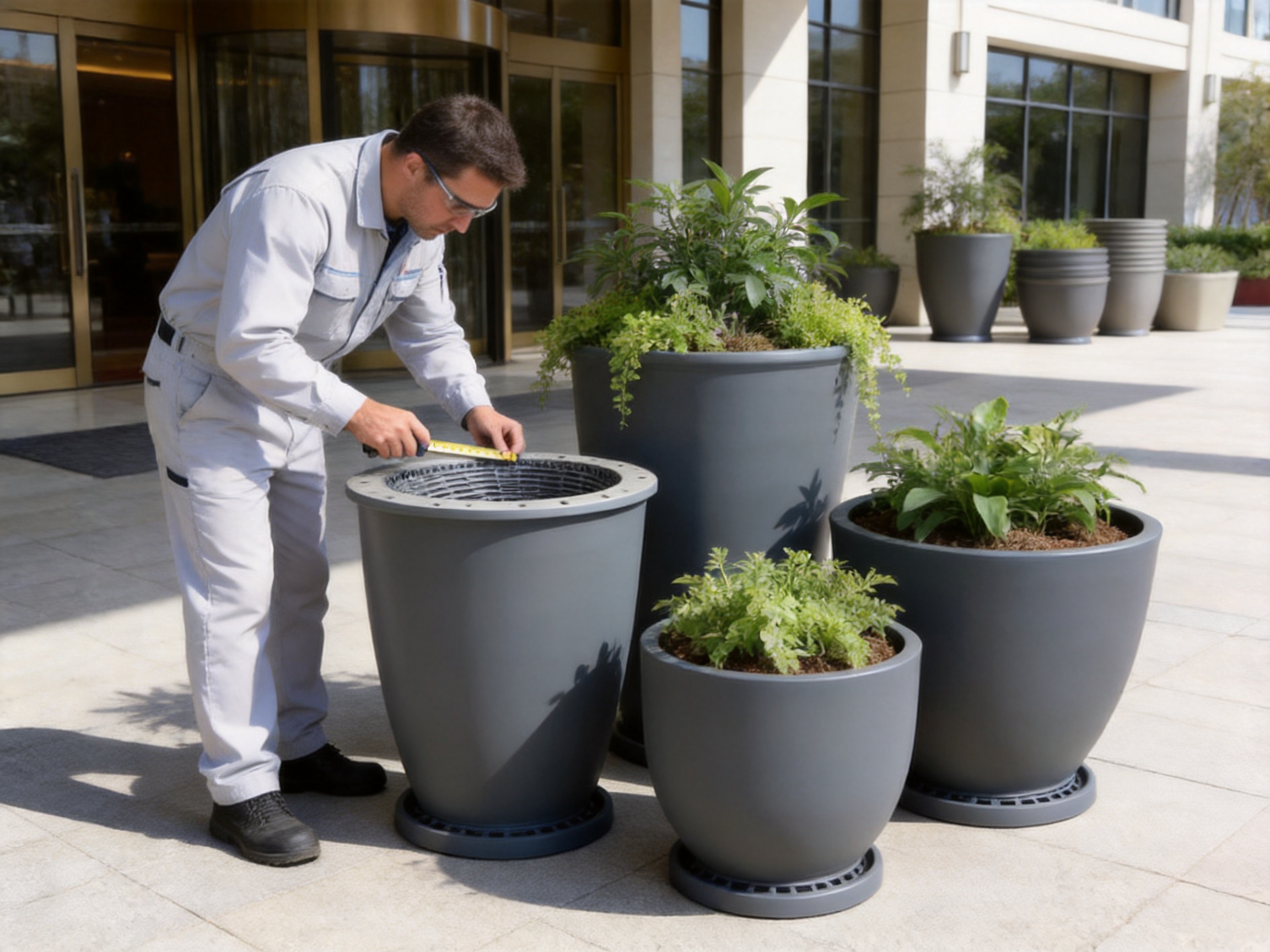
Selection Guide for Buyers
Choosing a large rotational molding mold for flower pots requires more than comparing the initial quotation. Buyers should evaluate the supplier’s engineering capability, mold construction method, project management process, trial procedures, material knowledge, and after-sales support.
The first consideration is the product itself. Buyers should define the pot’s overall dimensions, capacity, wall thickness, base configuration, drainage method, surface finish, color, and installation environment. Product drawings or three-dimensional files can significantly improve the accuracy of the quotation and design review.
The second consideration is production volume. Cast aluminum may be suitable for many standard and decorative applications, while fabricated steel may be preferred for extremely demanding, high-cycle production. CNC-machined aluminum can be attractive for precise, customized, or lower-volume tooling. The supplier should explain the advantages and limitations of each option.
The third consideration is machine compatibility. Mold dimensions, weight, frame connections, rotation clearance, heating method, and venting must match the customer’s equipment. A mold designed without reference to the production machine may require expensive modifications later.
The fourth consideration is product validation. Buyers should ask how the supplier performs mold trials, checks dimensions, evaluates wall distribution, and handles design changes. A complete validation process provides greater confidence than a mold delivered without sample approval.
The fifth consideration is long-term support. Maintenance advice, replacement components, process recommendations, troubleshooting, and refurbishment services can influence the total value of the tooling. A strong supplier relationship can help the customer maintain consistent production over many years.
Comparison of Mold Configurations
| Mold Configuration | Best Application | Main Benefits | Important Considerations |
|---|---|---|---|
| Cast Aluminum Mold | Decorative and medium- to high-volume planters | Good heat transfer, complex surface reproduction, balanced weight | Requires careful casting and finishing control |
| Fabricated Steel Mold | High-cycle industrial and heavy-duty products | High strength, extended service life, robust structure | Greater weight and slower thermal response |
| CNC-Machined Aluminum Mold | Custom designs, prototypes, and precise geometries | Accurate dimensions, clean cavity finish, flexible modification | May be less economical for very large complex cavities |
| Modular Insert Mold | Product families with related sizes or details | Reduced tooling investment and greater product variety | Insert design must ensure alignment and thermal consistency |
Economic and Environmental Considerations
Rotational molding can provide economic advantages for large flower pots because it requires comparatively low-pressure equipment and can support low- to medium-volume production. This is useful for custom landscaping projects, seasonal product lines, and market testing. Manufacturers can introduce a new planter design without committing to the same level of tooling expenditure required by some competing methods.
The process can also reduce assembly requirements because the product is formed as one hollow body. Integrated drainage features, mounting points, and decorative details may reduce the number of separate parts. Through-body color can reduce the need for painting and refinishing during the product’s service life.
Material efficiency depends on correct charge weight and process control. Excess resin increases product weight and cost, while insufficient material can compromise performance. Accurate tooling and validated production parameters help reduce waste from rejected parts and unnecessary adjustments.
Environmental performance should be considered across the product life cycle. Polyethylene products may be recyclable in appropriate waste streams, and long service life can reduce the frequency of replacement. Manufacturers should consult local recycling requirements and select material systems that support responsible end-of-life management.
Frequently Asked Questions
Q1: What is a large rotational molding mold for flower pots?
It is a specialized mold used to manufacture large hollow plastic flower pots through the rotational molding process. The mold rotates while polymer resin melts and coats the internal cavity. After cooling, the finished pot is removed as a seamless one-piece product.
Q2: What materials are commonly used for the finished flower pots?
Linear low-density polyethylene is widely used because it offers impact resistance, flexibility, processability, and compatibility with UV stabilizers and pigments. Cross-linked polyethylene may be considered when higher chemical resistance or elevated-temperature performance is needed. Final material selection should match the application and production requirements.
Q3: Can drainage holes be formed during molding?
Yes. Drainage holes can be created with steel insert pins positioned in the cavity before charging, or they can be drilled after molding. Insert pins can provide consistent positioning and reduce secondary processing, while post-mold drilling may be more flexible for customized or frequently changing hole layouts.
Q4: Can the same mold produce different flower pot sizes?
A modular system may allow interchangeable inserts to change certain dimensions, internal volumes, rim profiles, or base details. However, substantial size differences generally require separate mold frames because structural, thermal, and handling requirements change as product dimensions increase.
Q5: How long does custom mold production usually take?
Lead time depends on the product geometry, mold material, fabrication method, surface finish, insert requirements, and approval speed. Cast aluminum tooling for large flower pots may require approximately six to twelve weeks after drawing approval, while simpler CNC-machined aluminum tooling may be completed in approximately four to eight weeks. These ranges are general estimates and should be confirmed for each project.
Q6: How many cycles can a large flower pot mold withstand?
Service life depends on mold material, operating temperature, production frequency, handling, maintenance, and surface treatment. Properly maintained cast aluminum molds can often support several thousand production cycles. Fabricated steel molds may provide an even longer service life in demanding industrial applications, although they require different thermal and handling considerations.
Q7: Can color be added directly during rotational molding?
Yes. Pigment concentrate can be blended with the resin charge before it is loaded into the mold. This produces through-body color without requiring a separate surface coating. UV-stabilized pigments are recommended for products that will remain outdoors for long periods.
Q8: Can customized architectural shapes be produced?
Yes. Rotational molding can produce tapered, cylindrical, rounded, asymmetric, textured, and sculptural planter geometries. The design must be reviewed for wall distribution, draft, venting, heating, cooling, and demolding before the mold is manufactured.
Q9: What information should a buyer provide when requesting a quotation?
The buyer should provide product drawings or three-dimensional files, overall dimensions, target capacity, estimated wall thickness, resin type, surface finish, color, drainage requirements, production volume, machine information, and installation environment. Complete information allows the supplier to prepare a more accurate engineering proposal and cost estimate.
Q10: What makes Jiangsu Zhroto Mould Co., Ltd. suitable for this type of tooling?
The company combines rotational mold design, precision manufacturing, product processing, trial validation, and technical support. Its standardized production facilities, experience with large curved surfaces, annual mold capacity, certified management systems, and capabilities for both gas-heated and electric-heated rotational molding provide a comprehensive foundation for large flower pot tooling projects.
Conclusion
A large rotational molding mold for flower pots provides an effective foundation for manufacturing durable, seamless, and visually consistent planters for commercial, municipal, architectural, and residential applications. Its advantages include low- to medium-cost tooling, very large product capability, integrated color, flexible geometry, reduced assembly, and strong outdoor performance.
The performance of the finished flower pot depends on the quality of the mold design and the control of the complete rotational molding process. Uniform wall distribution, suitable draft angles, effective venting, stable mold construction, controlled heating, adequate cooling, and accurate charge weight are all essential. Large-format products require particular attention because dimensional and thermal problems become more significant as the cavity increases in size.
Jiangsu Zhroto Mould Co., Ltd. supports this type of project through product evaluation, three-dimensional engineering, mold fabrication, trial production, inspection, delivery, and ongoing technical assistance. Its experience across rotational molding applications, standardized manufacturing facilities, annual production capacity, quality-management systems, and investment in electric-heating technology strengthen its ability to develop practical and reliable tooling solutions.
For manufacturers seeking decorative planters, extra-large commercial containers, architectural landscaping products, or customized flower pot ranges, professional mold engineering can improve both product quality and long-term production value. The right tooling solution allows large plastic planters to achieve the required balance of appearance, strength, thermal stability, manufacturing efficiency, and service life.
References
1. Rotational Molding Industry Practice: Principles of Polymer Powder Distribution, Heating, Cooling, and Demolding.
2. Engineering Guidelines for Polyethylene Rotational Molding Materials and UV-Stabilized Outdoor Products.
3. General Design Principles for Large Hollow Plastic Products and Seamless Container Manufacturing.
4. Quality Management Systems for Mold Manufacturing and Plastic Product Validation.
5. Product Development and Tooling Procedures for Customized Architectural Landscaping Components.
6. Manufacturer-provided technical information on rotational molding molds, product processing, production capacity, and integrated engineering services.
Product: Large Rotational Molding Mold for Flower Pots


We provide customers with one-stop services ranging from product design, mold manufacturing to finished product production.
-
 +86-18006248936
-
 ricky.t@zhroto.com
-
 No.9 Jiangyuan Road, Luotang Street, Jiangyan District, Taizhou City,Jiangsu Province, China
Copyright © Jiangsu Zhroto Mould Co., Ltd. Rights Reserved.Custom Rotational Plastic Molding Factory
