 en
 中文简体
 русский
 Español
 Deutsch
 Polskie
 REQUEST A QUOTE

 Home / Author / Linnea Qiao — International Sales Manager / Cold Chain Insulation Box Molds: Advanced Aluminum Tooling for Reliable Rotational Molding
Cold Chain Insulation Box Molds: Advanced Aluminum Tooling for Reliable Rotational Molding
Content
- 1 Introduction
- 2 What Is a Cold Chain Insulation Box Mold?
- 3 Why Forged 6061T6 Aluminum Is an Effective Mold Material
- 4 Mirror-Finished Cavities and Demolding Performance
- 5 Rotational Molding Process for Insulated Containers
- 6 Temperature Control and Mold Quality
- 7 Product Category One: Standard Insulation Box Molds
- 8 Product Category Two: High-Performance Thermal Container Molds
- 9 Product Category Three: Heavy-Duty Ice Chest and Commercial Storage Molds
- 10 Advantages Compared with Less Advanced Tooling
- 11 Engineering and Manufacturing Strengths
- 12 Quality Control from Design to Delivery
- 13 Applications Across Cold Chain Logistics
- 14 Maintenance Recommendations for Long-Term Mold Performance
- 15 How to Select the Right Mold Supplier
- 16 Q&A
- 16.1 Q1: What is the main purpose of a cold chain insulation box mold?
- 16.2 Q2: Why is forged 6061T6 aluminum recommended for this type of mold?
- 16.3 Q3: How does a mirror-finished cavity improve production?
- 16.4 Q4: Can one mold be used to produce different container sizes?
- 16.5 Q5: What temperature issues can affect insulated box quality?
- 16.6 Q6: Are these molds suitable for electric-heated rotational molding machines?
- 16.7 Q7: What is the difference between a standard insulation box mold and a heavy-duty ice chest mold?
- 16.8 Q8: How is mold quality inspected before delivery?
- 16.9 Q9: Can aluminum molds be repaired or modified?
- 16.10 Q10: What information should a customer provide before requesting a mold quotation?
- 16.11 Q11: How long can a cold chain insulation box mold remain in service?
- 16.12 Q12: What services does Jiangsu Zhroto Mould Co., Ltd. provide?
- 17 Conclusion
- 18 References
- 19 Product: Cold chain insulation box mold
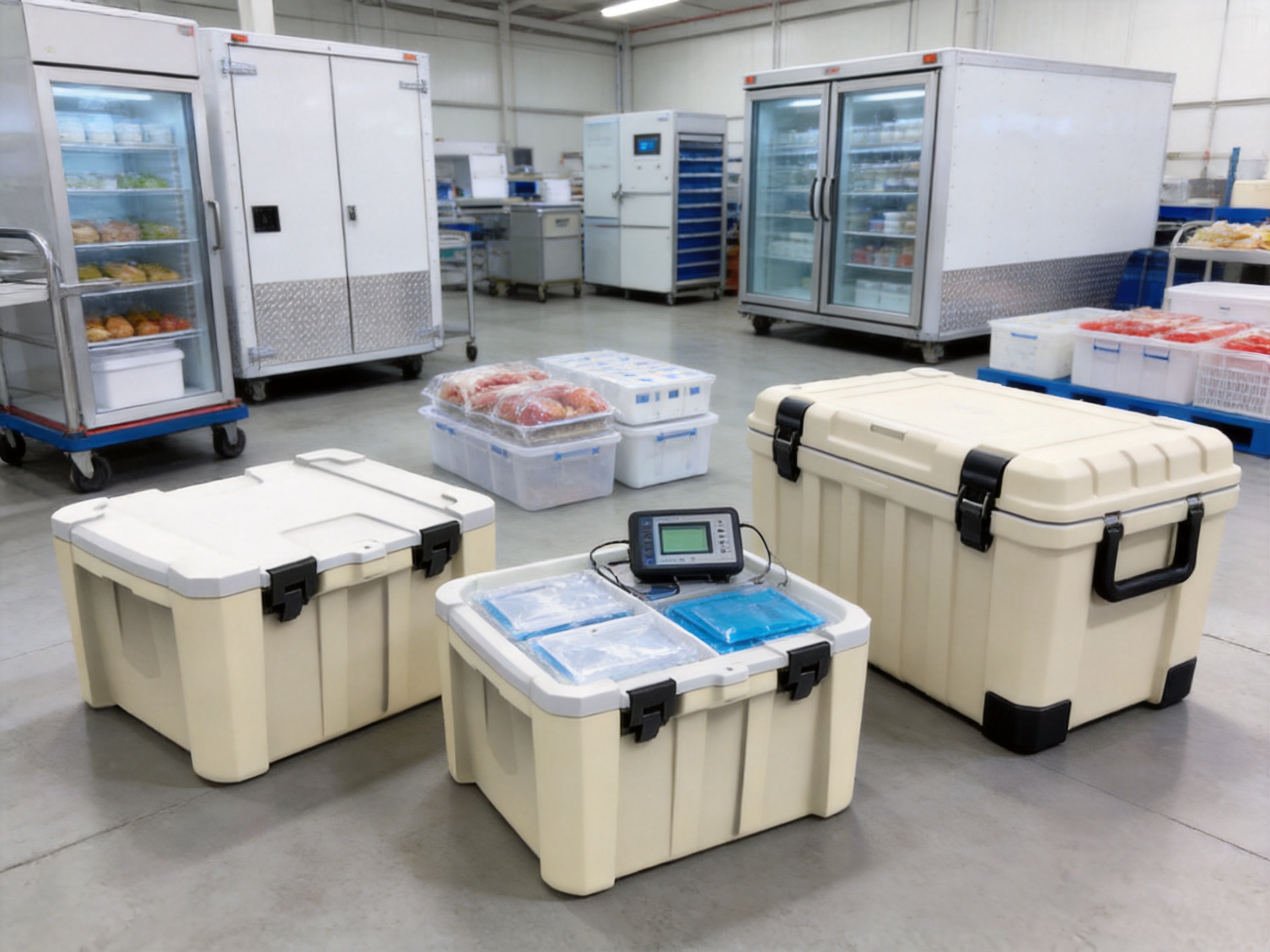
Introduction
Cold chain logistics depends on the ability of an insulated container to protect temperature-sensitive products throughout storage, handling, and transportation. Food, pharmaceuticals, vaccines, biological materials, laboratory samples, seafood, dairy products, and specialty chemicals may all be affected by temperature fluctuations. While insulation materials and cooling media are important, the quality of the container itself begins with the mold used to manufacture it. A precisely engineered cold chain insulation box mold directly influences wall thickness, dimensional accuracy, surface quality, structural strength, production efficiency, and long-term product consistency.
Rotational molding is widely used to manufacture insulated boxes, ice chests, reusable shipping containers, and other hollow plastic products. The process can create seamless, one-piece structures with complex curves, integrated corners, ribs, handles, and reinforcement features. However, the quality of the finished product depends heavily on the mold’s material, geometry, surface treatment, heat-transfer behavior, and resistance to repeated thermal cycles.
A forged 6061T6 aluminum mold provides a strong foundation for this type of production. This aluminum alloy combines high strength, good corrosion resistance, reliable thermal responsiveness, smooth machinability, and useful weldability. When its cavity is precision-machined and mirror-finished, the mold can support accurate forming, efficient demolding, attractive product surfaces, and stable production over many cycles. These features make it a competitive alternative to less durable or less thermally responsive tooling materials.
Jiangsu Zhroto Mould Co., Ltd. develops and manufactures customized rotational molding tools for cold chain applications. Its capabilities include product evaluation, three-dimensional engineering, mold design, CNC machining, surface finishing, trial production, dimensional inspection, and technical support. The company serves projects requiring standard insulated boxes as well as high-performance thermal containers and heavy-duty commercial ice chests.
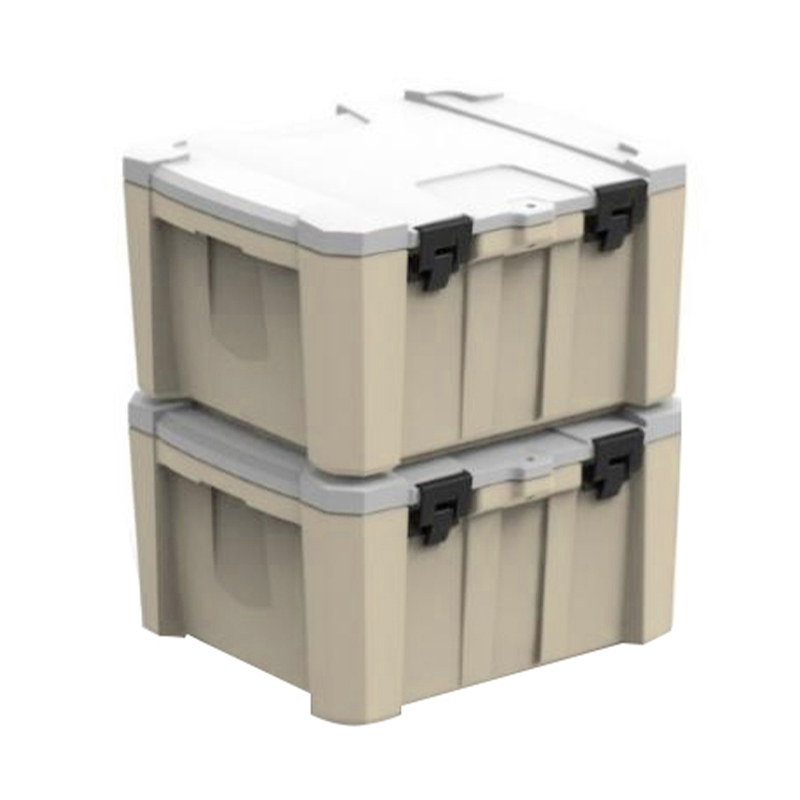
Cold chain insulation box mold
What Is a Cold Chain Insulation Box Mold?
A cold chain insulation box mold is a forming tool used to produce insulated plastic containers for temperature-controlled logistics. The mold defines the external dimensions, internal cavity, wall geometry, reinforcement details, handles, lids, corners, ribs, openings, and other product features. In rotational molding, plastic powder is placed inside the mold, and the mold is heated while rotating around two or more axes. The powder melts and coats the internal cavity surface, creating a hollow plastic component.
Depending on the design, an insulation box may include a single plastic shell, a double-wall construction, a foamed insulation layer, or a specially engineered internal structure. The mold must be designed to accommodate the selected production method and insulation arrangement. It must also provide sufficient access for powder loading, inserts, vents, demolding, inspection, and post-molding assembly.
Unlike conventional injection molds, rotational molding molds generally do not require extremely high clamping pressure. Instead, the mold must withstand repeated heating and cooling cycles while transferring heat evenly to the polymer material. This makes thermal behavior one of the most important design considerations. A mold with uneven heating may produce inconsistent wall thickness, incomplete fusion, weak corners, air pockets, warping, or surface defects.
The mold also needs to preserve its shape after repeated thermal exposure. Dimensional changes, distortion, corrosion, or surface deterioration can gradually affect the finished product. For this reason, material selection and manufacturing accuracy are essential. A high-quality cold chain insulation box mold is not simply a hollow metal form. It is a carefully engineered production system that must work together with the polymer material, heating equipment, cooling method, rotational speed, and production cycle.
Why Forged 6061T6 Aluminum Is an Effective Mold Material
Forged 6061T6 aluminum alloy is well suited to rotational molding applications that require strength, heat transfer, corrosion resistance, and surface quality. The T6 temper provides a useful balance of mechanical properties, while the forged structure offers a stable and durable base for machining. This combination makes the alloy particularly valuable for molds used in food containers, ice chests, insulated shipping boxes, and reusable cold chain packaging.
High Strength and Structural Stability
Cold chain box molds may be large, deep, or geometrically complex. They must retain accurate dimensions during handling, installation, heating, cooling, cleaning, and maintenance. Forged 6061T6 aluminum provides high strength relative to its weight, allowing the mold to remain rigid without becoming unnecessarily heavy. This helps operators handle the mold more efficiently and reduces the mechanical load on the rotational molding machine.
Structural stability is also important when the mold contains integrated ribs, reinforced corners, locking features, handles, or complex curved surfaces. A stable mold reduces the risk of dimensional drift and helps the finished product maintain a consistent fit between the container body and its lid. For products used in logistics, a reliable fit is essential because it affects sealing performance, stacking, handling, and protection against external temperature changes.
Efficient Thermal Response
Aluminum transfers heat efficiently, which supports more uniform heating and cooling during rotational molding. Consistent heat transfer helps the polymer powder melt and distribute across the cavity surface. This is especially important in deep corners, narrow ribs, lid interfaces, and other areas where material may otherwise accumulate unevenly.
Efficient thermal response can also contribute to shorter or more predictable production cycles. When the mold reaches the required processing temperature consistently, operators can better control melting, fusion, and cooling. The result may include improved wall consistency, fewer rejected parts, and more repeatable production from one batch to the next.
Corrosion Resistance and Cleanability
Cold chain containers are frequently used in environments where moisture, condensation, cleaning chemicals, food residues, saltwater, or outdoor exposure may be present. A mold that resists oxidation and corrosion can provide a longer service life and lower maintenance requirements. 6061T6 aluminum is naturally suited to many of these conditions, especially when the surface is properly finished and maintained.
A clean, smooth mold cavity also supports hygienic production. Although the mold is not the final food-contact surface, its condition affects the quality and cleanliness of the molded plastic product. A smooth cavity is easier to inspect, clean, and maintain than a rough or damaged surface. This is valuable for manufacturers serving food distribution, pharmaceutical logistics, and other regulated applications.
Good Machinability and Weldability
The alloy can be accurately machined using CNC equipment, allowing complex cavity contours and precise product details to be reproduced. Good machinability supports the creation of smooth curved surfaces, narrow radii, ventilation features, mounting interfaces, and customized structural details.
6061T6 aluminum also offers useful weldability for mold manufacturing and repair. If a design modification or localized repair is required, welding can help restore the mold’s integrity. The repaired area can then be re-machined and refinished to meet the required dimensional and surface standards. This provides a practical advantage over materials that are more difficult to modify or repair.
Reduced Tooling Weight
Compared with heavier steel tooling, aluminum molds can be easier to transport, install, remove, and rotate. Lower weight can improve operator safety and reduce the handling requirements for large mold assemblies. It may also help limit machine loading, especially for large cold chain containers or multi-cavity production systems.
Lower weight does not mean reduced durability when the mold is correctly engineered. Wall thickness, reinforcement, mounting structures, and thermal expansion allowances must all be designed according to the product size and operating conditions. Properly manufactured forged aluminum tooling can offer a strong balance between handling convenience and long-term production performance.
Mirror-Finished Cavities and Demolding Performance
The inner surface of a cold chain insulation box mold directly determines the surface quality of the molded product. A mirror-finished cavity provides a smooth and uniform forming surface that can improve appearance, reduce surface friction, and support more reliable demolding. This is particularly useful for deep boxes, containers with curved corners, and products with narrow structural features.
When the cavity surface is rough, damaged, or inconsistent, the plastic may grip the mold during removal. Excessive release resistance can cause deformation, scratches, edge damage, or production delays. Operators may then need to apply additional release agents or use greater mechanical force, potentially affecting both the product and the mold.
A polished cavity helps the molded part separate more smoothly after cooling. It can also reduce the accumulation of plastic residue and make the mold easier to inspect. For premium products, the surface finish contributes to a clean, professional appearance that supports the customer’s brand and product positioning.
Mirror finishing does not replace correct draft design, suitable corner radii, appropriate cooling, or proper process parameters. It is one part of an integrated tooling strategy. The best results are achieved when the cavity finish, product geometry, polymer selection, mold temperature, rotation speed, and demolding procedure are considered together.
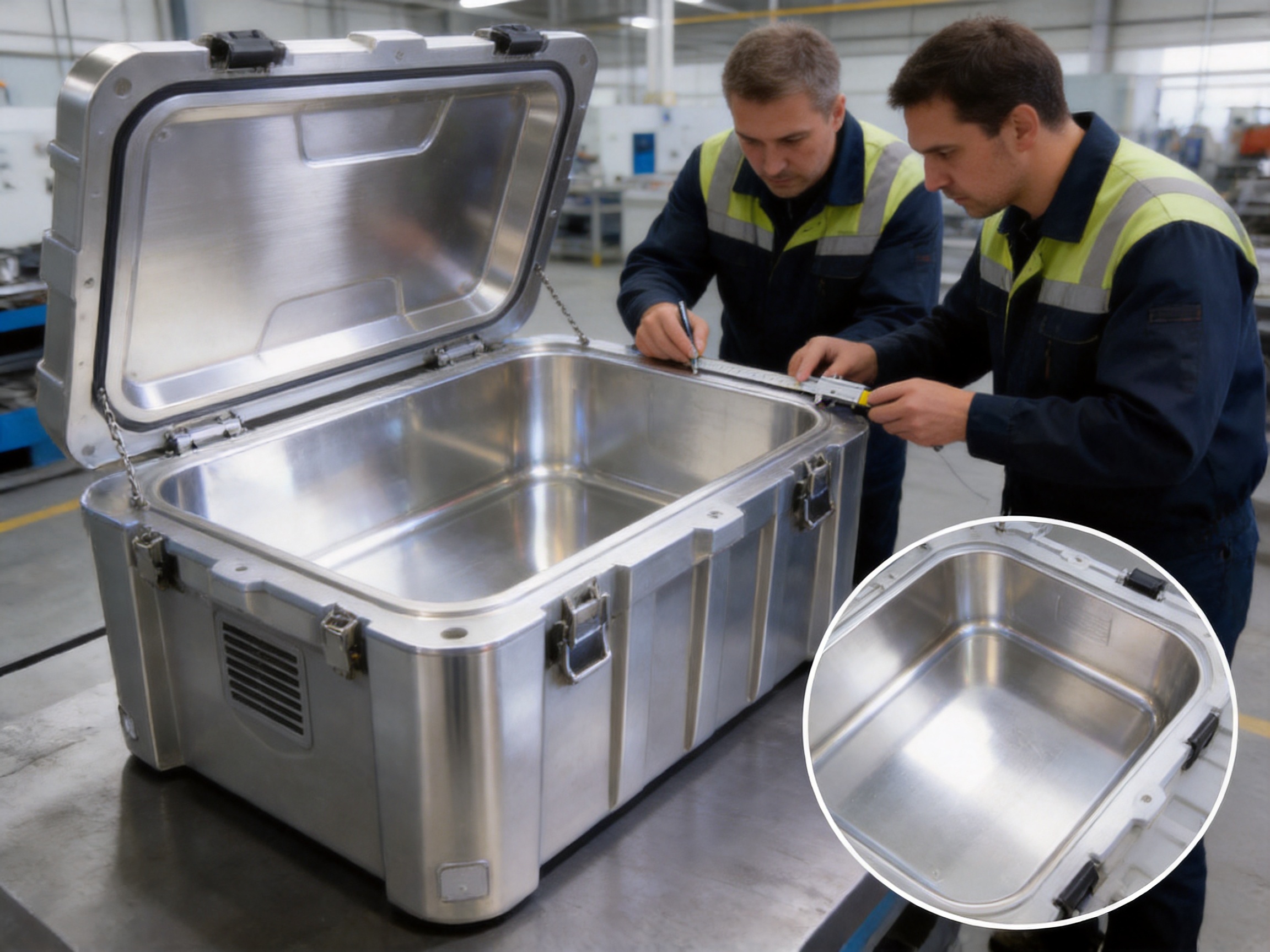
Rotational Molding Process for Insulated Containers
Product and Application Evaluation
Every cold chain box project should begin with an evaluation of the product’s purpose and operating environment. Important questions include the required internal volume, target temperature range, expected transport duration, insulation system, loading method, stacking conditions, cleaning requirements, and anticipated handling frequency.
A container for short-distance food delivery may require different geometry and durability from a pharmaceutical shipping box intended to maintain a narrow temperature range for many hours. Similarly, an outdoor ice chest may need reinforced corners, integrated handles, thick structural areas, and impact-resistant features. Understanding the application allows the mold designer to develop a cavity that supports the final product’s functional requirements.
Geometry Optimization
Rotational molding requires careful attention to product geometry. Extremely sharp corners, deep narrow recesses, abrupt thickness changes, and poorly designed internal features can create material distribution problems. The product should be optimized so that plastic powder can reach the required areas during rotation and heating.
Rounded corners generally support better material flow and reduce stress concentration. Reinforcing ribs can improve stiffness, but their dimensions and orientation must be designed to avoid incomplete fusion or excessive material accumulation. Handles and mounting points should be integrated without creating difficult-to-release undercuts. Openings, lids, hinges, and gasket interfaces require precise alignment with the final assembly.
Designers should also consider how the mold will be opened, loaded, closed, mounted, and demolded. A product that looks acceptable in a digital model may still be difficult to manufacture if the mold split line, fastening arrangement, or access points are not properly planned.
Three-Dimensional Engineering
Three-dimensional engineering enables the manufacturer to examine product geometry before physical mold production begins. The digital model can be used to verify dimensions, wall transitions, corner radii, reinforcement locations, mounting structures, and assembly relationships. It also supports the development of CNC machining paths and inspection references.
During this stage, engineers can identify potential production issues such as inaccessible cavity regions, insufficient draft, excessive wall variation, or interference between mold components. Early correction is more efficient than modifying a completed mold. Engineering review also helps ensure that the customer’s product concept is compatible with rotational molding technology.
CNC Machining and Surface Treatment
After the design is confirmed, forged 6061T6 aluminum is prepared for machining. CNC equipment can produce complex curved surfaces and maintain the dimensional accuracy required for container bodies, lids, and matching components. Critical areas receive additional inspection to verify that the mold conforms to the approved engineering model.
Machining is followed by deburring, surface preparation, polishing, and mirror finishing where required. Ventilation features, fastening locations, inserts, and other details are completed according to the design. The final surface treatment must be uniform and free from defects that could transfer to the molded product.
Mold Trial and Sample Validation
A mold trial provides an opportunity to evaluate the tool under practical production conditions. The trial may examine powder loading, rotation, heating, cooling, demolding, wall distribution, surface quality, dimensions, and assembly fit. Trial samples can reveal issues that are not visible through design review alone.
Adjustments may involve mold temperature, heating time, cooling time, rotation speed, powder quantity, venting, or localized geometry. If the mold requires a physical modification, the aluminum construction and repairability of 6061T6 can be advantageous. Once the sample meets the project requirements, the mold can move into production acceptance and delivery.
Temperature Control and Mold Quality
Temperature control is one of the most important factors affecting the quality of a cold chain insulation box mold and the products manufactured from it. Rotational molding uses heat to melt the polymer powder and cooling to solidify the molded shell. Both stages must be controlled carefully. Excessive heating can degrade the material, increase cycle time, or create uneven wall distribution. Insufficient heating can result in incomplete fusion, weak areas, and poor surface quality.
Uneven heating is particularly problematic for insulated boxes because their geometry often includes large flat panels, deep corners, thick rims, handles, ribs, and recessed structures. Each area may absorb and release heat differently. A mold that transfers heat inconsistently can create variation across the same container, affecting insulation performance and structural strength.
Controlled cooling is equally important. If one side of the mold cools faster than another, the plastic shell may shrink unevenly or distort. Excessively rapid cooling can create internal stress, while insufficient cooling may delay demolding and reduce productivity. The cooling strategy should be matched to the mold material, product geometry, plastic resin, wall thickness, and desired cycle time.
Electric-heated rotational molding equipment can provide more precise process control than conventional systems in suitable applications. Independent heating zones may be used to address different regions of a complex mold. More accurate temperature control can improve repeatability and reduce unnecessary energy consumption. The supplied material states that suitable electric-heated systems may achieve temperature control accuracy of approximately plus or minus 1 to 2 degrees Celsius, thermal efficiency above 95 percent, and potential energy reductions of 30 to 50 percent under appropriate production conditions.
These figures depend on equipment configuration, product size, operating parameters, insulation, production environment, and process management. They should therefore be validated during actual trials. Nevertheless, the principle is clear: integrating the mold design with the heating system can improve production stability and help manufacturers manage energy use.
| Mold Category | Primary Production Objective | Typical Applications | Important Design Priorities |
| Standard insulation box mold | Reliable and flexible production | Food transport, outdoor storage, general cold-chain logistics | Balanced cost, durability, easy demolding, adaptable geometry |
| High-performance thermal container mold | Temperature and dimensional consistency | Pharmaceutical logistics, professional food distribution, reusable shipping systems | Precise cavity machining, controlled heat transfer, repeatable processing |
| Heavy-duty ice chest mold | Impact resistance and long service life | Commercial catering, fishing, outdoor events, industrial handling | Reinforced corners, structural ribs, robust mounting, durable cavity finish |
Product Category One: Standard Insulation Box Molds
Standard insulation box molds are designed for general cold-chain requirements where dependable production, structural reliability, and practical cost are important. Products made with these molds may include food delivery boxes, portable cold-storage containers, insulated storage bins, commercial ice chests, and reusable transport boxes.
The primary objective is to achieve repeatable production across a broad range of operating conditions. The mold must support even powder distribution and reliable fusion across the base, sidewalls, corners, lid interface, and reinforcement features. It should also be compatible with the customer’s existing rotational molding equipment whenever possible.
Standard molds often provide a useful balance between flexibility and durability. Their geometry can be customized with handles, ribs, latches, lifting points, drain openings, and stacking features. The 6061T6 aluminum construction supports efficient heat transfer and reduces mold weight compared with many steel alternatives. A smooth cavity finish helps production teams demold the finished container with less resistance.
These molds are especially suitable for manufacturers producing several related container sizes or product variations. The basic engineering approach can be adapted to different capacities, lid designs, wall profiles, and accessory interfaces. This allows the mold supplier to support product development without forcing every customer into a standard, non-customized design.
Product Category Two: High-Performance Thermal Container Molds
High-performance thermal container molds serve projects in which temperature retention, appearance, dimensional stability, and batch-to-batch repeatability are especially important. Applications may include pharmaceutical transport, biological sample logistics, specialized food distribution, laboratory supply chains, and premium reusable shipping containers.
In these applications, the mold must support a more controlled manufacturing process. Small variations in wall thickness or assembly fit can influence the container’s insulation performance. A poorly formed corner, weak seam area, or distorted lid interface may reduce the effectiveness of the entire thermal system.
High-performance tooling typically requires close coordination between the product designer, mold engineer, polymer supplier, and production team. The cavity must be designed around the insulation structure, insert positions, gasket interfaces, and expected loading conditions. The heating system may also need independent zones to compensate for different geometric features.
A mirror-finished 6061T6 aluminum cavity can support a premium external appearance and efficient demolding. Precision machining helps maintain the dimensional relationships between the container body and lid. When combined with controlled heating and cooling, this approach can reduce production variation and improve the reliability of finished containers.
For these projects, tooling should be validated through measured samples rather than visual inspection alone. Important checks may include overall dimensions, wall thickness, lid fit, flatness, corner geometry, internal capacity, surface condition, and thermal performance of the finished container. The mold supplier’s ability to support testing and process recommendations can be as important as the initial manufacturing quality.
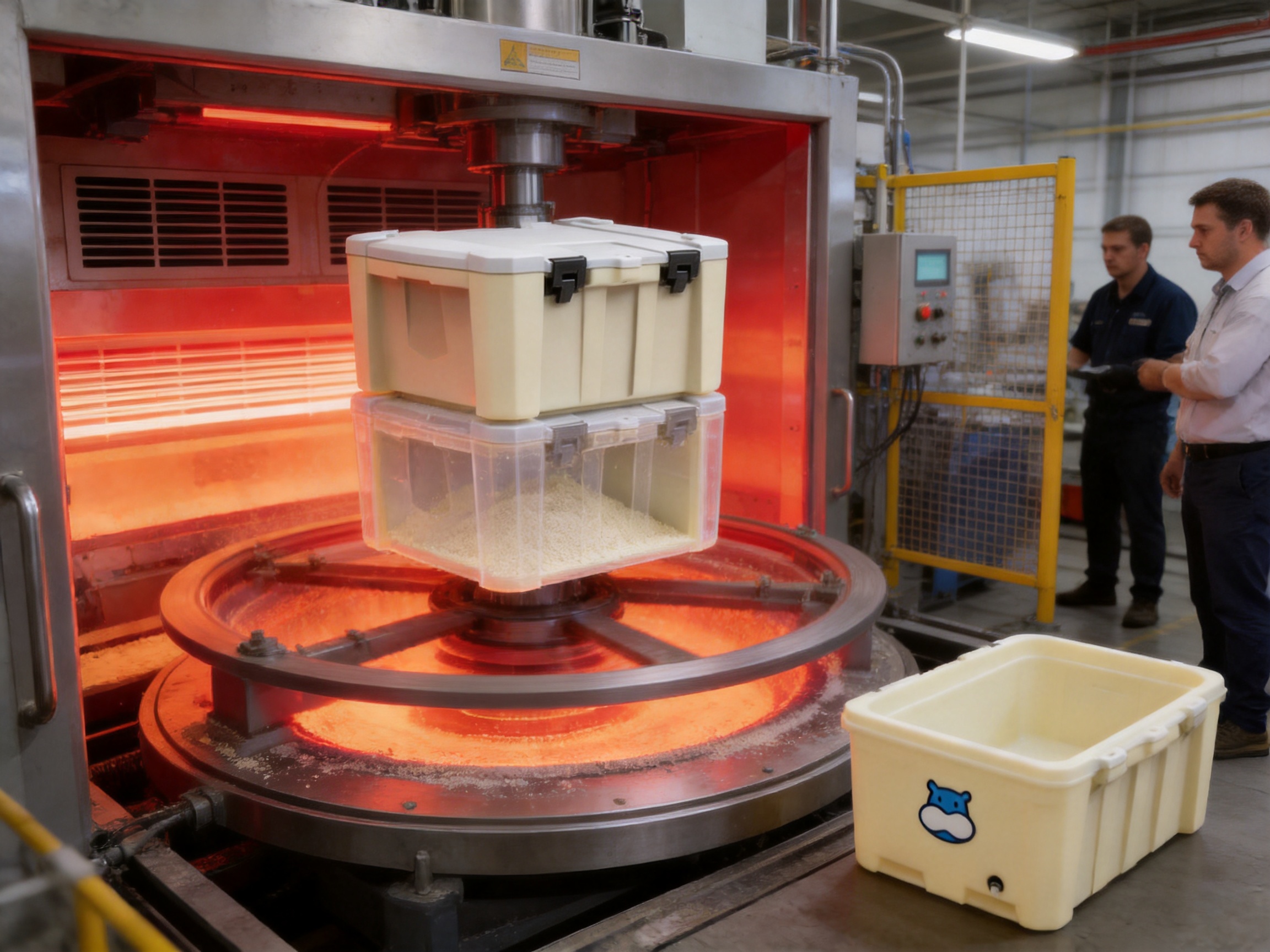
Product Category Three: Heavy-Duty Ice Chest and Commercial Storage Molds
Heavy-duty ice chest molds are designed for demanding use. Containers made from these molds may be exposed to frequent loading, impact, outdoor weather, saltwater, rough transport, repeated cleaning, and long production cycles. Common applications include commercial catering, fishing, outdoor events, industrial food handling, agricultural distribution, and large-scale logistics.
Compared with standard storage boxes, heavy-duty products often require reinforced corners, thicker base sections, integrated handles, locking systems, protective edges, and more substantial ribs. These features improve mechanical performance but also make the mold more complex. The designer must ensure that the additional geometry can be filled consistently during rotational molding.
Temperature management is particularly important for heavy-duty products because thick or reinforced areas may heat and cool differently from thin panels. If process conditions are not controlled, the result may be uneven fusion, internal voids, excessive shrinkage, or distortion. An aluminum mold with predictable thermal response can help the production team manage these variations.
Forged 6061T6 aluminum also provides a durable base for repeated handling and thermal cycling. When a mold requires modification during development, its weldability can simplify repair and adjustment. After welding, the affected area should be re-machined and refinished so that it meets the dimensional and surface requirements of the original design.
Advantages Compared with Less Advanced Tooling
More Consistent Heat Transfer
Some low-cost molds may provide acceptable results for simple products, but their thermal behavior can become less predictable as product size and complexity increase. Forged aluminum tooling offers efficient heat transfer and can support more uniform processing across large surfaces, curved regions, and structural details.
Better Surface Quality
A precision-machined and mirror-finished cavity can produce a smoother and more attractive plastic surface than a rough or poorly finished tool. It also reduces the risk of scratches and sticking during demolding. This advantage is important for premium coolers and containers that are visible to end users.
Longer Service Life
Repeated heating and cooling can gradually affect tooling that is not designed for thermal cycling. A strong aluminum structure, appropriate reinforcement, corrosion resistance, and proper maintenance help extend service life. Longer service life reduces the frequency of tooling replacement and supports more predictable production planning.
Lower Handling Burden
Aluminum molds generally weigh less than equivalent steel tools. This can simplify installation, removal, maintenance, and transport. Lower weight may also reduce the mechanical demand placed on the rotational molding machine, although the complete mold assembly must still be designed according to machine limits.
Greater Customization
Cold chain products vary widely in capacity, insulation structure, lid arrangement, handling method, and operating environment. A customized aluminum mold can be engineered for specific dimensions and features rather than forcing the product to conform to a generic tooling platform.
Practical Repairability
Manufacturing projects sometimes require design changes after initial trials. The ability to weld, re-machine, and refinish selected areas can provide a practical path to improvement. This flexibility can reduce the cost and time associated with producing an entirely new mold.
Engineering and Manufacturing Strengths
Jiangsu Zhroto Mould Co., Ltd. was founded in 2015 and specializes in rotational molding mold design, mold manufacturing, rotomolded product processing, and integrated technical solutions. The company moved to a modern facility in Jiangyan District, Taizhou City, in 2021. The facility covers approximately 18,000 square meters, including more than 12,000 square meters of standardized production workshops.
The company’s manufacturing capability covers projects from initial product concept through mold delivery and finished product production. This integrated model can reduce communication gaps between design, machining, trial production, and technical support. It also allows production feedback to be considered during the tooling stage.
Its reported annual capacity exceeds 800 mold sets, with additional capacity for approximately 3,600 tons of plastic products. This combination of tooling and product manufacturing experience gives the engineering team a practical understanding of how molds perform under real production conditions.
The company supports conventional gas-heated rotational molding machines as well as electric-heated systems. Electric-heated equipment can provide independent heating zones and more precise process management for complex products. The ability to work with both machine types enables customers to select a production method appropriate for their investment plan and product requirements.
Its technical services include product evaluation, product structure optimization, three-dimensional modeling, mold design, complex curved-surface machining, CNC manufacturing, material recommendations, mold trial validation, sample inspection, delivery support, production guidance, and maintenance advice. This range of services is valuable for customers that need more than a basic mold fabrication supplier.
The company reports ISO 9001:2015, ISO 14001:2015, and ISO 45001:2018 management system certifications. These certifications relate to quality management, environmental management, and occupational health and safety management. While certification does not replace product-specific testing, it demonstrates a structured approach to business and manufacturing processes.
Quality Control from Design to Delivery
Design Review
Before machining begins, the product design should be reviewed for manufacturability, demolding, structural strength, insulation requirements, and production compatibility. Critical dimensions and functional interfaces should be confirmed with the customer.
Material Verification
The aluminum alloy used for the mold should be identified and verified according to the project requirements. Material condition, structural integrity, and preparation quality can affect machining behavior and long-term mold performance.
Dimensional Inspection
Critical mold dimensions should be checked against the approved three-dimensional model or engineering drawings. Inspection may include cavity length, width, depth, corner radii, lid interfaces, mounting locations, and reinforcement details.
Surface Inspection
The cavity should be inspected for machining marks, scratches, dents, burrs, polishing inconsistencies, and other defects. A uniform mirror finish is especially important in regions that influence appearance or demolding.
Trial Production
Trial production verifies whether the mold works correctly with the selected powder, machine, heating profile, cooling method, and rotation settings. Samples should be evaluated for wall formation, dimensions, surface quality, and assembly fit.
Production Support
After delivery, technical guidance can help the customer establish stable production conditions. Support may include recommendations for powder loading, mold temperature, cycle timing, rotation speed, cooling, cleaning, and maintenance.
Applications Across Cold Chain Logistics
Cold chain insulation box molds can be adapted for many industries. In food distribution, they are used for seafood, meat, dairy products, prepared meals, fresh produce, and frozen goods. These containers must often tolerate repeated cleaning, loading, unloading, and transport.
In pharmaceutical logistics, the container design may require more precise temperature management and careful compatibility with cooling packs, data loggers, internal separators, and tamper-evident systems. The mold must maintain accurate dimensions so that the insulation system and internal components fit correctly.
In biological and laboratory transportation, protection from impact and temperature variation may be essential. Smooth surfaces and practical cleaning access can help improve usability. The product may also require specialized handles, locking features, or compartment structures.
Outdoor and commercial ice chests are commonly used for events, fishing, camping, catering, construction sites, and industrial operations. These applications emphasize durability, impact resistance, portability, and long service life. Reinforced mold designs can support the production of containers with stronger corners, bases, handles, and lids.
Agricultural and regional distribution systems may use larger insulated boxes for the movement of produce, dairy goods, vaccines, and other temperature-sensitive materials. Larger molds require special attention to thermal uniformity, structural reinforcement, handling weight, and machine compatibility.
Maintenance Recommendations for Long-Term Mold Performance
Proper maintenance helps preserve cavity quality and reduce unexpected production interruptions. After each production run, the mold should be inspected for plastic residue, scratches, dents, loose fasteners, damaged vents, and signs of corrosion or contamination.
Cleaning methods should be compatible with aluminum and the mold’s surface treatment. Aggressive chemicals, abrasive tools, or uncontrolled scraping may damage the mirror finish. If release agents are used, they should be applied according to the material supplier’s recommendations and removed when buildup becomes excessive.
Fasteners, hinges, clamps, inserts, and mounting components should be checked regularly. Thermal cycling and vibration can gradually loosen mechanical connections. Any damage should be addressed before it affects alignment or creates a safety risk.
Storage conditions also matter. The mold should be kept dry, protected from contamination, and positioned so that large flat surfaces are not exposed to unnecessary deformation. Before restarting production after long-term storage, the cavity and mechanical components should be inspected carefully.
Maintenance records can help identify recurring issues. Tracking production cycles, repair history, surface refinishing, and sample inspection results allows the manufacturer to plan preventive maintenance rather than waiting for a major failure.
How to Select the Right Mold Supplier
Customers should evaluate more than the quoted mold price when selecting a supplier. Important factors include material quality, engineering experience, CNC capability, surface finishing, thermal process knowledge, trial support, inspection methods, delivery capacity, and after-sales service.
The supplier should be able to explain how the proposed mold will work with the customer’s rotational molding machine. Questions should address heating method, mold size, mounting interface, rotation limits, cooling approach, product material, expected cycle time, and production volume.
It is also useful to review the supplier’s experience with similar products. A company that has produced molds for insulated boxes, ice chests, shipping containers, or other hollow rotationally molded products is more likely to identify practical risks during the design stage.
Customers should request clear documentation, including approved drawings, material information, inspection records, trial results, maintenance recommendations, and production parameters where appropriate. Clear documentation supports communication between the mold supplier and the production team.
Finally, the supplier should offer a realistic approach to modifications. Product development often involves changes after testing. A supplier with strong engineering and repair capabilities can respond more efficiently than a company that only performs basic fabrication.
Q&A
Q1: What is the main purpose of a cold chain insulation box mold?
The mold forms the plastic body, lid, structural details, and other components of an insulated container. It determines the product’s dimensions, surface quality, wall geometry, reinforcement features, and compatibility with the selected rotational molding process.
Q2: Why is forged 6061T6 aluminum recommended for this type of mold?
Forged 6061T6 aluminum offers high strength, efficient heat transfer, corrosion resistance, good machinability, useful weldability, and relatively low weight. These characteristics support repeated thermal cycling, accurate machining, efficient demolding, and practical maintenance.
Q3: How does a mirror-finished cavity improve production?
A mirror-finished cavity provides a smooth forming surface that can improve product appearance, reduce sticking, support easier demolding, and simplify mold cleaning and inspection. It works best when combined with correct product geometry and process parameters.
Q4: Can one mold be used to produce different container sizes?
A single mold normally produces a specific product geometry. However, a tooling platform may be adapted for related sizes or product variations through separate cavities, interchangeable components, or a new mold based on the approved engineering design.
Q5: What temperature issues can affect insulated box quality?
Uneven heating may cause incomplete fusion, inconsistent wall thickness, weak corners, surface defects, and material accumulation. Uneven cooling may lead to distortion, shrinkage variation, internal stress, or delayed demolding. Heating and cooling should be validated during mold trials.
Q6: Are these molds suitable for electric-heated rotational molding machines?
Yes. Properly engineered molds can be used with electric-heated systems. Independent heating zones may provide improved control for complex geometries, large containers, and products with different thermal requirements across the cavity.
Q7: What is the difference between a standard insulation box mold and a heavy-duty ice chest mold?
A standard mold usually emphasizes flexible production, practical cost, and general durability. A heavy-duty ice chest mold gives greater attention to reinforced corners, impact resistance, thick structural areas, integrated handles, locking features, and repeated commercial or outdoor use.
Q8: How is mold quality inspected before delivery?
Inspection may include dimensional verification, surface examination, fastener and mounting checks, cavity review, mold assembly inspection, and trial production. Finished samples can also be evaluated for dimensions, wall formation, appearance, demolding, and fit.
Q9: Can aluminum molds be repaired or modified?
6061T6 aluminum has useful weldability, which can support selected repairs or design modifications. After welding, the affected area should generally be re-machined, polished, and inspected to restore the required geometry and surface quality.
Q10: What information should a customer provide before requesting a mold quotation?
The customer should provide product drawings or three-dimensional data, dimensions, capacity, insulation structure, material requirements, machine information, expected production volume, surface expectations, lid and handle details, and the intended operating environment.
Q11: How long can a cold chain insulation box mold remain in service?
Service life depends on mold design, aluminum quality, production frequency, thermal cycling, handling, cleaning, maintenance, and process conditions. Properly designed and maintained tooling can support extended production, but its condition should be monitored through regular inspections and sample checks.
Q12: What services does Jiangsu Zhroto Mould Co., Ltd. provide?
The company provides product evaluation, structural optimization, three-dimensional engineering, mold design, CNC machining, curved-surface manufacturing, surface finishing, material recommendations, mold trials, inspection, delivery assistance, production guidance, and maintenance advice. It also supports both conventional gas-heated and electric-heated rotational molding systems.
Conclusion
A high-quality cold chain insulation box mold is essential for producing reliable, durable, and thermally effective containers. The mold affects far more than external appearance. It influences wall consistency, dimensional stability, insulation performance, structural strength, production efficiency, and the long-term cost of ownership.
Forged 6061T6 aluminum provides an effective material solution because it combines strength, thermal responsiveness, corrosion resistance, machinability, weldability, and reduced handling weight. A mirror-finished cavity further improves demolding, surface appearance, cleanability, and production consistency. When these material advantages are combined with accurate CNC machining, suitable reinforcement, and controlled heating and cooling, the result is a durable tool for demanding rotational molding applications.
Standard insulation box molds provide flexible and dependable production for general cold-chain use. High-performance thermal container molds address more demanding requirements for temperature management, dimensional accuracy, and professional logistics. Heavy-duty ice chest molds emphasize impact resistance, structural reinforcement, and long-term commercial use. Each category requires a different balance of geometry, thermal behavior, surface treatment, and production validation.
Jiangsu Zhroto Mould Co., Ltd. offers integrated engineering and manufacturing support from product evaluation through mold production, testing, delivery, and technical assistance. Its experience with aluminum rotational molding molds, standardized workshops, CNC manufacturing, product processing, electric-heated rotational molding, quality systems, and trial validation enables it to support customized cold chain projects.
For manufacturers seeking dependable insulated containers, the most effective strategy is to evaluate the product, mold, machine, material, heating method, cooling approach, and inspection plan as one complete system. This integrated approach can improve product quality, reduce production variation, extend mold service life, and create a stronger foundation for efficient cold chain manufacturing.
References
1. Aluminum Association. Aluminum Standards and Data: Properties and Applications of Wrought Aluminum Alloys.
2. ASTM International. Standards for Aluminum and Aluminum-Alloy Products, Mechanical Testing, and Dimensional Verification.
3. Society of Plastics Engineers. Rotational Molding: Materials, Processing, Mold Design, and Quality Control.
4. ISO 9001:2015. Quality Management Systems—Requirements.
5. ISO 14001:2015. Environmental Management Systems—Requirements with Guidance for Use.
6. ISO 45001:2018. Occupational Health and Safety Management Systems—Requirements with Guidance for Use.
7. Plastics Industry Association. Technical Guidance for Rotational Molding Processes and Product Development.
8. International Society for Pharmaceutical Engineering. Temperature-Controlled Supply Chain and Thermal Packaging Principles.
Product: Cold chain insulation box mold


We provide customers with one-stop services ranging from product design, mold manufacturing to finished product production.
-
 +86-18006248936
-
 ricky.t@zhroto.com
-
 No.9 Jiangyuan Road, Luotang Street, Jiangyan District, Taizhou City,Jiangsu Province, China
Copyright © Jiangsu Zhroto Mould Co., Ltd. Rights Reserved.Custom Rotational Plastic Molding Factory
