 en
 中文简体
 русский
 Español
 Deutsch
 Polskie
 REQUEST A QUOTE

 Home / Author / Mei-Rong Alvarado — Product After-Sales Service Manager / Industrial Cleaning Mold: Advanced Rotational Tooling for Durable, Seamless Products
Industrial Cleaning Mold: Advanced Rotational Tooling for Durable, Seamless Products
Content
- 1 Understanding the Industrial Cleaning Mold
- 2 Why Rotational Molding Is Suitable for Industrial Cleaning Products
- 3 Sand-Cast Aluminum Construction for Industrial Cleaning Tooling
- 4 Key Product Categories Supported by Industrial Cleaning Molds
- 5 Comparison of Industrial Cleaning Mold Categories
- 6 Advanced Manufacturing Process for Industrial Cleaning Molds
- 7 Electric-Heated Rotational Molding and Process Control
- 8 Advantages Compared with Alternative Tooling Approaches
- 9 How Mold Quality Influences Final Product Performance
- 10 Quality Control and Certification Strengths
- 11 Application Areas
- 12 Recommended Selection Process for Buyers
- 13 Maintenance Practices for Longer Mold Service Life
- 14 Why Integrated Mold and Product Support Matters
- 15 Frequently Asked Questions
- 15.1 What is an industrial cleaning mold?
- 15.2 Why is rotational molding suitable for cleaning equipment?
- 15.3 What are the advantages of a sand-cast aluminum mold?
- 15.4 When should a rotomolded tank mold be selected?
- 15.5 What is heavy-duty container tooling used for?
- 15.6 Can rotational molding produce machine housings?
- 15.7 What information should be provided before mold design begins?
- 15.8 How is mold quality validated?
- 15.9 Does the company support electric-heated rotational molding?
- 15.10 How can mold service life be extended?
- 16 Conclusion
- 17 References
- 18 Product: Industrial cleaning mold
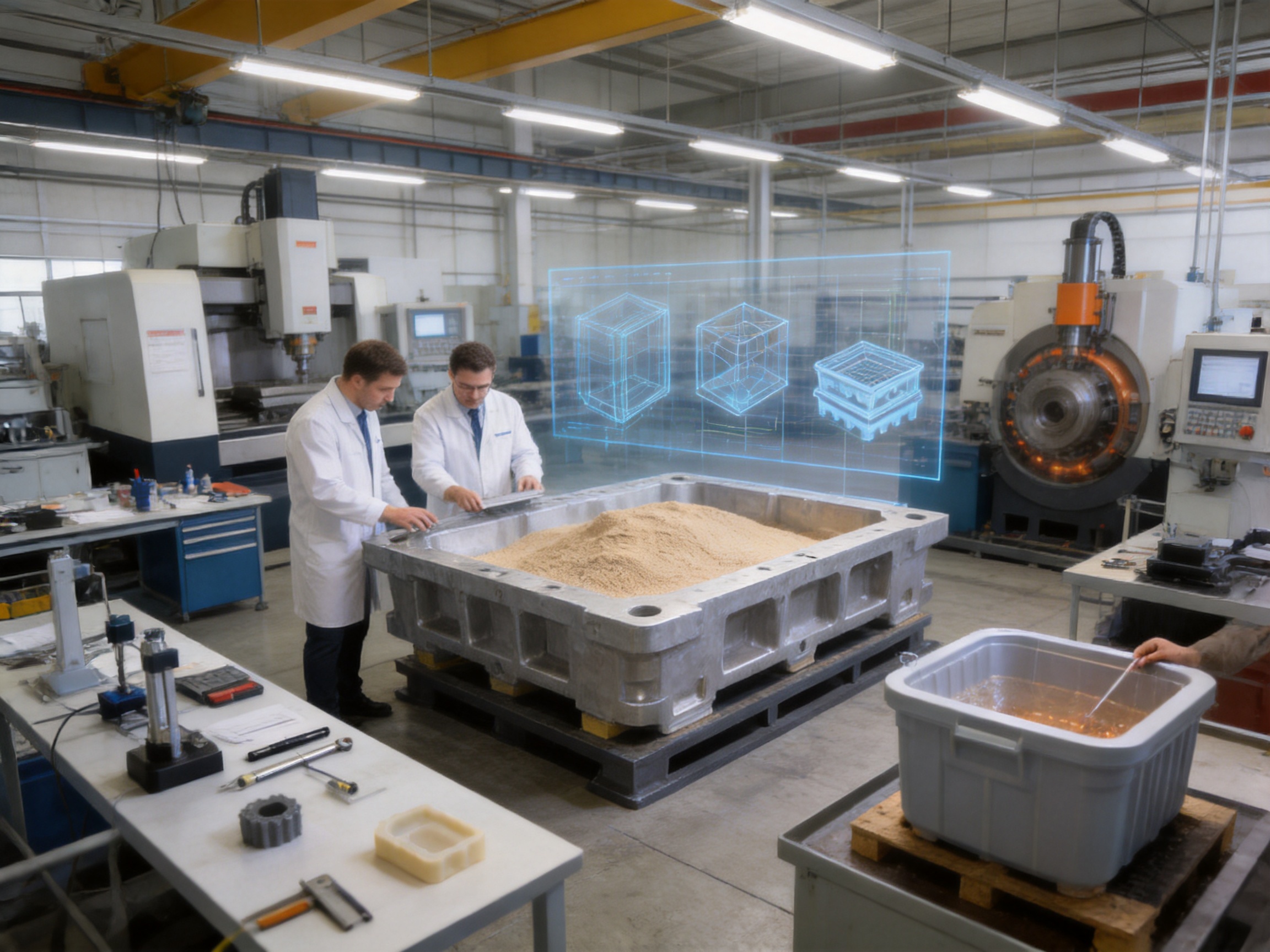
Industrial cleaning equipment must perform reliably in demanding environments. Tanks, containers, pallets, machine housings, wastewater units, and chemical-handling products may be exposed to moisture, cleaning agents, impact, outdoor conditions, repeated loading, and frequent washing. The quality of the mold used to manufacture these products has a direct influence on their strength, dimensional accuracy, surface finish, service life, and production cost.
An industrial cleaning mold designed for rotational molding provides an efficient solution for producing large, seamless, hollow plastic products. Through controlled heating, rotation, cooling, and demolding, rotational molding can form complex products with consistent walls and fewer assembled joints. When the mold is manufactured from high-quality cast aluminum and engineered for the intended product and machine, manufacturers can obtain reliable tooling with excellent process adaptability.
Jiangsu Zhroto Mould Co., Ltd. specializes in the design and manufacture of rotational molding molds, rotomolded products, and integrated technical solutions. Its capabilities cover product development, three-dimensional engineering, mold production, trial molding, sample inspection, finished-product manufacturing, and technical support. With an annual production capacity of more than 800 mold sets and experience in large hollow products, the company provides customized tooling for industrial cleaning applications and many related fields.
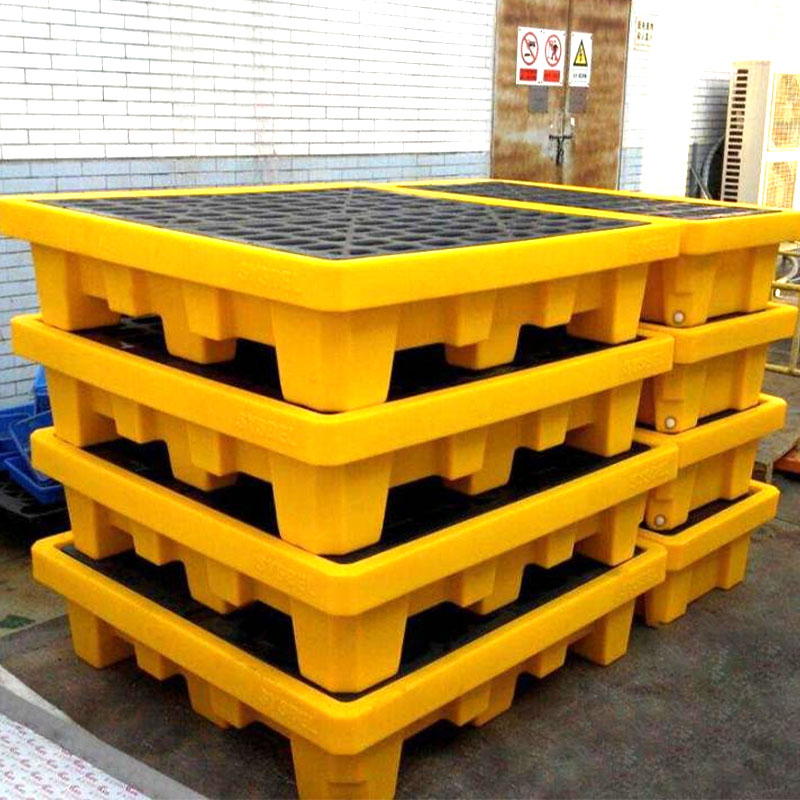
Industrial cleaning mold
Understanding the Industrial Cleaning Mold
An industrial cleaning mold is tooling developed to manufacture plastic products used in cleaning, containment, storage, material handling, and industrial equipment protection. The mold may be used to produce cleaning tanks, wastewater containers, anti-leak pallets, chemical-handling vessels, waste bins, equipment housings, and other large hollow components.
Unlike a simple packaging mold, industrial cleaning tooling must support repeated production under demanding thermal and mechanical conditions. During each molding cycle, the mold is exposed to heating, rotation, cooling, opening, closing, and handling. It must maintain its geometry while allowing polymer material to distribute evenly across the mold cavity. It must also provide suitable access for filling, secure closure during rotation, and practical release after cooling.
The product requirements determine the mold structure. A large tank requires stable wall distribution, strong mounting features, drainage provisions, and adequate dimensional control across a broad surface. A heavy-duty container may require reinforced corners, stacking areas, handles, ribs, and impact-resistant geometry. A machine housing may require mounting bosses, access openings, ventilation features, and precise interfaces with other components.
For this reason, a high-quality industrial cleaning mold is not simply a hollow metal shell. It is a carefully engineered production system that connects product design, polymer behavior, machine compatibility, thermal management, surface finish, quality inspection, and long-term maintenance.
Why Rotational Molding Is Suitable for Industrial Cleaning Products
Rotational molding is widely used for large and medium-sized hollow products because it can create seamless structures without the welded joints required by many fabricated manufacturing methods. During production, a measured quantity of polymer powder is placed inside the mold. The mold is then heated while rotating around two axes. As the material melts, it coats the internal surface and gradually forms the product wall.
This process offers several advantages for industrial cleaning applications. A seamless tank or container can reduce the number of potential weak points associated with assembled panels or welded sections. Fewer joints may also simplify cleaning and reduce areas where liquids, dirt, or chemical residues can accumulate. The process is suitable for products with curved surfaces, integrated handles, reinforcing ribs, access openings, and other three-dimensional features.
Rotational molding also provides flexibility when product volumes, dimensions, or designs change. Compared with some high-pressure molding methods, the tooling investment can be more practical for large products and medium-volume production. The process can create substantial hollow components with relatively low residual stress because the material is not injected into the cavity at extremely high pressure.
For industrial cleaning equipment, this combination of seamless construction, product size flexibility, and design adaptability is valuable. It allows manufacturers to develop tanks, bins, pallets, and housings that are lightweight compared with many metal alternatives while still providing suitable structural performance.
Seamless Product Construction
The absence of major welded seams is one of the most important advantages of rotationally molded cleaning products. Seamless construction can improve the continuity of the product wall and reduce locations where leakage or contamination may begin. This is especially important for anti-leak pallets, chemical-handling containers, wastewater units, and cleaning vessels.
A seamless product is not automatically suitable for every application. The wall thickness, polymer selection, corner radius, reinforcement, and processing conditions must all be properly controlled. However, when the product and mold are correctly engineered, rotational molding provides an efficient way to create a continuous hollow structure.
Design Flexibility for Large Products
Industrial cleaning equipment often includes complex shapes that would be difficult or expensive to produce as a single component using conventional methods. Rotational molding supports curved walls, rounded corners, integrated ribs, recessed sections, handles, mounting areas, and other features. These elements can be incorporated into the mold design rather than being added later through extensive assembly.
Design flexibility also allows manufacturers to optimize products for cleaning and handling. Sloped surfaces can help liquids drain more effectively. Smooth internal walls can reduce residue accumulation. Reinforced areas can be positioned beneath lifting points or around access openings. Rounded corners can improve cleanability and reduce stress concentration.
Efficient Material Distribution
Because the mold rotates during heating, softened polymer gradually coats the internal cavity. A well-designed mold supports even material distribution and helps create a consistent product wall. Correct powder quantity, mold temperature, rotation speed, heating time, and cooling conditions remain essential, but tooling quality establishes the foundation for process control.
Sand-cast aluminum is particularly suitable for many rotational molding applications because it can transfer heat efficiently and can be manufactured in practical, large-scale forms. The material also permits suitable surface finishing and machining after casting. When combined with accurate engineering, cast aluminum tooling can support efficient heating, uniform melting, and repeatable product quality.
Sand-Cast Aluminum Construction for Industrial Cleaning Tooling
Sand-cast aluminum rotational molding molds are made by forming aluminum around a sand pattern or sand mold, followed by finishing and machining the resulting casting. This approach is commonly used for large and complex tooling because it provides design flexibility and can produce molds with favorable thermal performance.
For industrial cleaning products, the mold surface has a practical role beyond appearance. A well-finished mold can contribute to smoother product surfaces, easier demolding, improved visual quality, and reduced opportunities for dirt or liquid to remain trapped in irregular areas. Surface requirements should be defined according to the final application, polymer, cleaning method, and expected operating environment.
Thermal Performance
Heating behavior strongly affects rotational molding quality. The mold must transfer heat to the polymer efficiently enough for the material to melt and coat the cavity without creating excessive differences between sections. Large products are particularly sensitive to thermal imbalance because broad surfaces, deep corners, ribs, and recessed areas may heat at different rates.
Aluminum offers useful thermal conductivity for this type of process. With suitable mold thickness, structural design, and heating conditions, it can support relatively even thermal transfer. This helps the polymer reach the required melt state and can reduce the risk of incomplete fusion, thin areas, or excessive material accumulation.
Thermal behavior depends on more than the metal itself. Mold geometry, machine design, oven temperature, rotation pattern, heating duration, cooling method, and product material all influence the final result. A professional mold manufacturer therefore evaluates the tooling as part of the complete production system rather than treating material selection as an isolated decision.
Surface Quality
The internal surface of the mold is transferred to the product. A smooth and accurately finished surface can help improve the appearance of industrial containers and housings. In cleaning applications, a smoother surface may also make washing and inspection easier, especially when the product is used for liquids, powders, waste, or materials that could otherwise accumulate in rough areas.
Surface quality must be balanced with functional requirements. Some products may require a particular texture to improve grip or hide minor marks, while tanks and cleaning vessels may benefit from a more uniform and cleanable finish. The mold surface should therefore be selected according to the intended product rather than applying the same finish to every tooling project.
Practical Manufacture of Large Tooling
Large industrial molds require a combination of casting, machining, welding or structural assembly where appropriate, surface finishing, inspection, and trial validation. The manufacturing route should maintain dimensional stability while keeping the tooling practical for installation, operation, maintenance, and storage.
Jiangsu Zhroto Mould Co., Ltd. uses a process that includes product evaluation, three-dimensional modeling, mold design confirmation, precision manufacturing, mold testing, sample validation, and final inspection. This structured workflow helps identify issues before production tooling is completed and improves coordination between the product design and the rotational molding machine.
Key Product Categories Supported by Industrial Cleaning Molds
Rotomolded Tank Molds
Rotomolded tank molds are designed for large hollow containers used to store, transport, process, or collect liquids and materials. In industrial cleaning environments, these products may function as washing vessels, wastewater collection units, chemical-handling tanks, mobile cleaning containers, or water storage systems.
Tank tooling must provide more than a large cavity. The mold must support uniform wall formation across the base, sidewalls, corners, upper sections, and cover interfaces. It must also accommodate openings, drainage points, inspection ports, fittings, lifting features, and external reinforcement where required.
One of the main advantages of a rotomolded tank is its seamless construction. A properly designed tank can reduce the dependence on welded joints and assembled sections. This may simplify cleaning and help reduce potential leakage paths. The product must still be validated for its intended liquid, temperature, pressure, loading, and service conditions.
Internal geometry is especially important. Sharp corners can restrict material flow and increase local stress. Appropriate radii help the polymer distribute more evenly and can improve the structural behavior of the finished tank. Sloped bases and designed drainage areas can also support easier emptying and cleaning.
A tank mold may be produced for conventional gas-heated rotational molding equipment or for electric-heated systems. The appropriate solution depends on product size, available machinery, production volume, energy requirements, and desired process control.
- Suitable for water tanks, cleaning vessels, wastewater units, and industrial storage containers.
- Supports large seamless hollow structures with reduced dependence on welded assemblies.
- Can incorporate drainage, access, reinforcement, mounting, and inspection features.
- Can be developed with smooth internal surfaces to assist cleaning and contamination control.
- Can be adapted to gas-heated or electric-heated rotational molding equipment.
Heavy-Duty Plastic Container Tooling
Heavy-duty plastic container tooling is developed for products that experience repeated impact, loading, unloading, stacking, lifting, and outdoor exposure. Typical examples include cleaning bins, waste containers, spill-control products, transport boxes, industrial pallets, and anti-leak trays.
These products require careful treatment of corners, bases, handles, ribs, stacking areas, and contact surfaces. A container may appear simple from the outside, but its performance depends on the relationship between wall thickness, geometry, polymer choice, reinforcement, and processing conditions.
Large industrial anti-leak pallets are a representative application. The product must provide a stable, relatively flat surface for containers or equipment while retaining liquid if leakage occurs. Mold surface quality can influence the smoothness and cleanliness of the finished pallet. Correct geometry can also help prevent localized deformation and improve the reliability of the containment area.
Heavy-duty tooling must be designed for repeated cycles. Each production run exposes the mold to temperature changes and mechanical handling. The mold should have appropriate rigidity, secure closure, practical access, and suitable lifting or mounting arrangements. It should also be straightforward to inspect and maintain between production cycles.
Compared with tank tooling, container tooling often gives greater emphasis to impact resistance, stacking stability, ergonomic handling, and local reinforcement. A professional tooling supplier can evaluate the product drawings and identify areas where geometry should be adjusted before mold manufacturing begins.
Machine Housing Molds
Industrial cleaning machinery, agricultural equipment, pumps, control systems, and outdoor machines may require protective housings. A machine housing mold produces an enclosure that protects internal components from dust, moisture, accidental contact, cleaning fluids, and environmental exposure.
Housing products differ from tanks and containers because they often need to integrate with mechanical, electrical, and structural components. Mounting points, access doors, control panels, cable passages, ventilation openings, and fastener locations must be positioned accurately. The mold therefore requires careful coordination between the outer product shape and the final assembly.
Rotational molding can produce large curved housing sections with fewer assembled components. A lightweight hollow housing can protect equipment while reducing handling weight. Rounded edges and integrated features can also improve appearance and reduce the number of separate parts.
Machine housing mold production requires attention to dimensional accuracy, draft and demolding, corner transitions, wall distribution, mounting features, and surface finish. When housings are intended for agricultural or outdoor equipment, the tooling must also support products capable of handling UV exposure, moisture, dust, vibration, and temperature variation, subject to the selected polymer and product specification.
Comparison of Industrial Cleaning Mold Categories
| Mold category | Main applications | Primary design focus | Typical advantage |
|---|---|---|---|
| Rotomolded tank mold | Cleaning vessels, storage tanks, wastewater units, and process containers | Wall uniformity, drainage, structural integrity, and liquid containment | Large seamless hollow products with cleanable internal surfaces |
| Heavy-duty container tooling | Bins, pallets, spill-control products, and transport containers | Impact resistance, stacking, reinforcement, and handling | Durability during repeated industrial use |
| Machine housing mold | Equipment enclosures, agricultural machinery covers, and protective housings | Dimensional precision, mounting integration, access, and ventilation | Lightweight protection with fewer assembled sections |
| Custom cleaning product mold | Specialized washing equipment, collection units, and customized containers | Application-specific geometry and process compatibility | Product design tailored to operational requirements |
Advanced Manufacturing Process for Industrial Cleaning Molds
A reliable industrial cleaning mold begins with engineering analysis rather than immediate machining. The product function, dimensions, material, expected loads, production volume, machine type, heating method, and cleaning environment should all be reviewed at the beginning of the project.
Product Evaluation and Requirement Definition
The first stage is to understand how the final product will be used. Engineers review whether the product must contain liquids, resist impact, support stacking, tolerate chemicals, protect machinery, or withstand outdoor exposure. They also examine operating temperature, expected service life, cleaning procedures, lifting methods, and applicable dimensional requirements.
This stage helps define the mold structure and identify potential production problems. For example, a tank intended for frequent drainage may need a sloped base and dedicated outlet. A pallet may require reinforced support areas beneath heavy containers. A housing may need precise mounting bosses and access openings. Addressing these requirements before tooling begins can reduce later modifications.
Three-Dimensional Product and Mold Modeling
Three-dimensional CAD modeling allows engineers to assess the product shape and mold construction before manufacturing. The model can be used to review wall transitions, corner radii, openings, parting lines, handles, ribs, reinforcement, and demolding direction.
For large products, three-dimensional modeling is particularly important because small design problems may become significant over a broad surface. The model also helps determine whether the mold can be opened, closed, installed, heated, cooled, and removed from the finished product efficiently.
Design confirmation should include communication between the customer and the mold manufacturer. Product drawings, operating requirements, polymer information, machine dimensions, and production targets should be checked before the mold structure is finalized.
Sand Casting and Mold Formation
After design approval, the mold body can be produced using an appropriate casting and manufacturing method. Sand-cast aluminum is suitable for many large rotational molding applications because it allows practical production of complex shapes and offers favorable heat transfer characteristics.
The casting must be followed by machining and finishing operations. Critical mounting areas, parting surfaces, openings, interfaces, and other precision features may require CNC machining. The mold surface is then treated according to the required product finish and demolding performance.
Manufacturing quality depends on controlling the relationship between the casting, machining, structural supports, and final mold assembly. The tooling must retain its intended geometry during heating and rotation. It must also be strong enough for repeated production handling.
CNC Machining and Precision Finishing
CNC machining helps establish accurate interfaces and repeatable dimensions. It can be used for parting surfaces, mounting locations, flanges, holes, access features, and other areas where precision is important. Accurate machining supports mold closure and helps reduce mismatch or unwanted flash on the finished product.
Finishing work may include surface smoothing, edge treatment, polishing, sealing, and inspection. The correct level of finish depends on the product requirements. Cleaning vessels and containment products may benefit from smooth, easily washed surfaces, while external housing surfaces may require a specific visual or functional texture.
Trial Molding and Sample Validation
Trial molding is an essential part of tooling quality assurance. A mold may meet dimensional expectations during inspection but still require process adjustment when used on the intended machine. Trial production allows the manufacturer to evaluate material distribution, heating behavior, demolding, surface quality, wall consistency, and product geometry.
Sample validation should examine the final product rather than only the mold. Important checks may include overall dimensions, wall thickness, flatness, openings, mounting features, surface condition, leakage resistance, and functional fit. If issues are identified, engineers can adjust process parameters or modify the mold before final acceptance.
Final Inspection and Production Support
Final inspection confirms that the mold corresponds to the approved design and can be used with the specified equipment. Inspection may cover critical dimensions, closure, surface condition, mounting arrangement, accessories, and sample performance.
Production support is also important because rotational molding performance depends on operating conditions. Recommendations regarding powder loading, heating, rotation, cooling, demolding, cleaning, and maintenance can help the customer achieve stable results. An integrated supplier that supports both mold production and finished-product manufacturing can provide practical feedback from actual production experience.
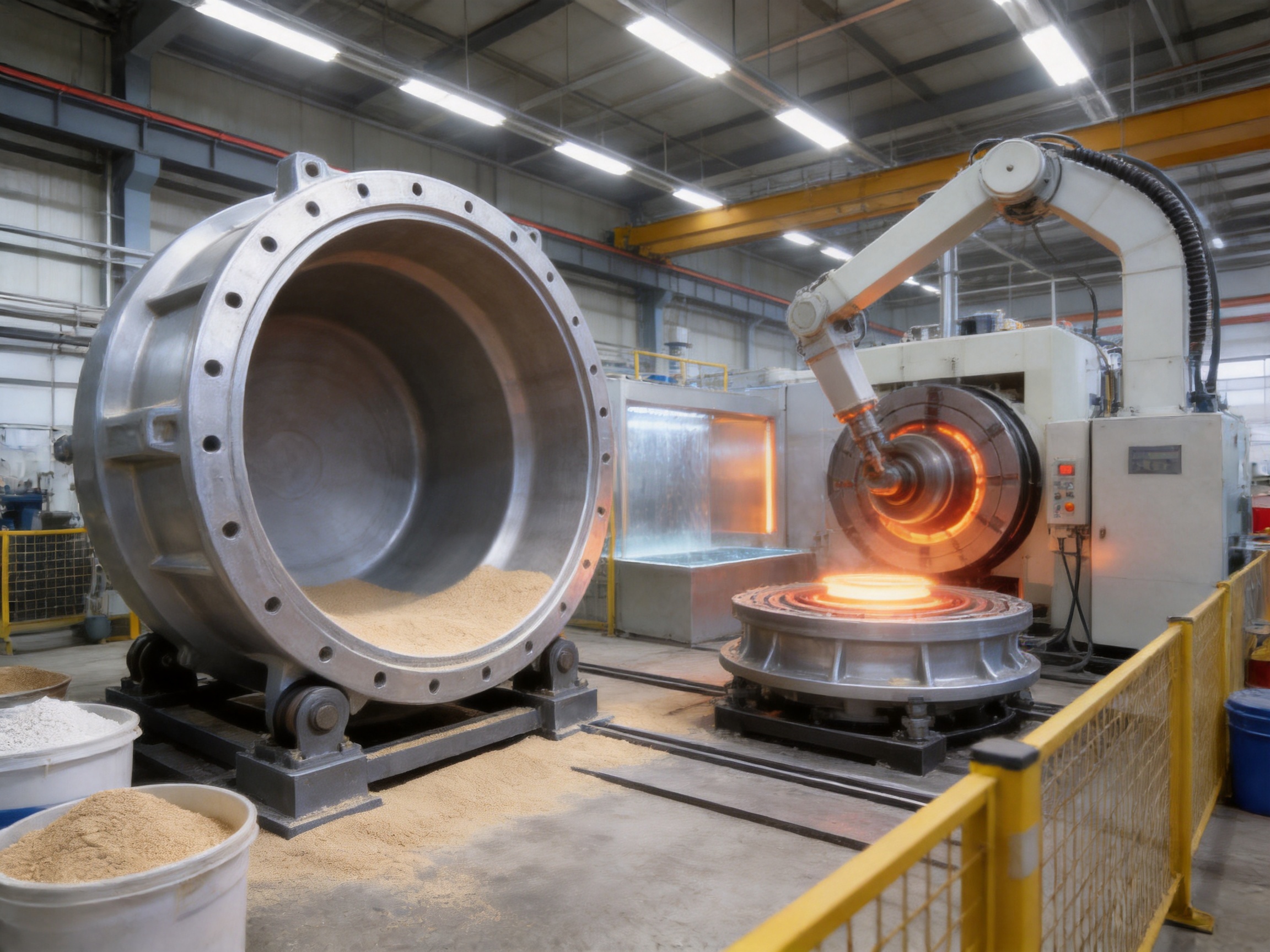
Electric-Heated Rotational Molding and Process Control
Traditional rotational molding equipment often uses gas heating, while modern systems may use electric heating. Electric-heated equipment can provide more precise temperature management and may use independent heating zones. This can be valuable for large or complex products where different sections require more controlled thermal treatment.
Electric heating also increases the importance of accurate mold engineering. The mold must respond predictably to the selected heating pattern. Mold thickness, geometry, inserts, ribs, deep cavities, and surface condition can all influence the way heat reaches the polymer.
Jiangsu Zhroto Mould Co., Ltd. has invested in electric-heated rotational molding capabilities since 2023, adding process options for customers seeking tighter temperature control and production consistency. The availability of both conventional gas-heated and electric-heated solutions allows tooling recommendations to be matched to the product, equipment, and manufacturing objective.
Benefits of Electric Heating
- More controlled temperature management during the heating cycle.
- Potentially improved control of independent heating zones.
- Useful for products with complex shapes or demanding thermal requirements.
- Support for repeatable production when process parameters are properly validated.
- Compatibility with modern manufacturing strategies focused on efficiency and control.
Heating technology alone does not guarantee product quality. The mold, polymer, machine, rotation pattern, heating cycle, cooling procedure, and inspection system must work together. Process validation remains necessary for every product category.
Advantages Compared with Alternative Tooling Approaches
Industrial cleaning molds based on rotational molding can offer several practical advantages compared with fabricated metal products, welded plastic assemblies, or tooling designed only for small consumer components. The correct method depends on application requirements, but rotational tooling is especially effective for large hollow products.
Fewer Assembly Joints
A rotationally molded tank or container can be produced as one continuous structure. This may reduce the number of welded or mechanically joined sections and simplify product inspection. Fewer joints can also support easier cleaning and reduce possible leakage locations.
Lower Product Weight
Plastic rotational molding can create hollow products that are strong and relatively lightweight. Lower weight can simplify transportation, installation, handling, and routine cleaning. It may also reduce the structural demands on supporting equipment.
Suitable for Complex Curved Shapes
Rotational molding is well suited to rounded, curved, and hollow geometries. This supports ergonomic containers, smoothly contoured tanks, protective housings, and products with integrated ribs or handles. The design can be adjusted to improve drainage, cleaning access, and structural strength.
Practical Tooling for Large Products
For large containers and equipment housings, rotational molding tooling can be a practical alternative to more complex high-pressure tooling. Sand-cast aluminum allows the production of large molds with useful thermal characteristics and a suitable surface finish.
Adaptability to Product Development
Manufacturers frequently need to modify product capacity, access features, reinforcement, or mounting arrangements. A professional rotational mold supplier can review the design and help determine whether changes are manufacturable before production begins. This can shorten development time and reduce the risk of costly tooling revisions.
How Mold Quality Influences Final Product Performance
The mold has a direct effect on the performance of the finished product. Poor tooling may create uneven wall thickness, deformation, surface defects, difficult demolding, flash, inaccurate openings, or inconsistent assembly interfaces. These issues can increase material consumption, reduce service life, and create problems during production.
Wall Uniformity
Uniform wall distribution is essential for tanks, containers, and housings. Thin areas may become weak under impact or loading, while excessive material can increase weight and cost. Mold geometry and process conditions should encourage the polymer to reach all sections of the cavity in a controlled manner.
Dimensional Accuracy
Accurate dimensions are especially important for machine housings, covers, pallets, and products that must connect with pipes, fittings, lids, frames, or other components. Accurate mold construction supports repeatable production and reduces the need for secondary correction.
Surface Cleanability
Industrial cleaning products must often be washed, disinfected, emptied, or inspected regularly. Smooth and correctly finished surfaces can reduce residue accumulation and simplify cleaning procedures. Product geometry should avoid unnecessary pockets, sharp internal corners, and inaccessible recesses whenever possible.
Leakage Resistance
Containment products such as tanks, trays, and anti-leak pallets require dependable liquid retention. Mold quality contributes to this goal through accurate parting surfaces, stable product geometry, consistent walls, and smooth transitions. Finished products should be tested according to the intended application.
Long-Term Tooling Stability
The mold must remain functional over repeated cycles. Structural rigidity, suitable closure systems, thermal stability, corrosion protection where needed, and maintenance access all influence service life. A tooling design that is difficult to inspect or repair may create unnecessary downtime in the future.
Quality Control and Certification Strengths
A professional mold manufacturer should maintain quality control throughout design, manufacturing, trial production, and delivery. Inspection should not be limited to the appearance of the mold. It should also consider whether the tooling produces a product that meets functional and dimensional requirements.
Jiangsu Zhroto Mould Co., Ltd. operates with ISO 9001:2015, ISO 14001:2015, and ISO 45001:2018 management system certifications. These certifications reflect structured attention to quality management, environmental management, and occupational health and safety. Certification does not replace product-specific validation, but it provides a framework for consistent business and manufacturing procedures.
The company's manufacturing facility in Jiangyan District, Taizhou City covers approximately 18,000 square meters, including more than 12,000 square meters of standardized production workshops. Its capabilities include rotational molding mold design, mold manufacturing, product processing, prototype development, and technical support.
Annual capacity exceeding 800 mold sets demonstrates the ability to manage a broad range of tooling projects. The company also has finished-product production capacity exceeding 3,600 tons of plastic products. This combination allows engineers to consider both tooling performance and real product manufacturing requirements.
Application Areas
Industrial cleaning molds can support products used in many sectors. Water treatment systems may require tanks, collection vessels, filter housings, and protective covers. Industrial equipment manufacturers may need machine housings, control enclosures, and chemical-resistant containers. Agricultural machinery producers may use rotationally molded covers, tanks, and outdoor equipment components.
Other application fields include automotive parts, hydrogen energy storage and transportation equipment, outdoor facilities, waste handling, material transport, and industrial process systems. Each field presents different requirements regarding geometry, material, loading, environment, and product validation.
For cleaning applications specifically, the mold should be developed around the full cleaning cycle. Engineers should consider how the product will be filled, emptied, washed, inspected, moved, stored, and reused. These factors influence openings, handles, drainage, surface finish, corner design, wall thickness, and reinforcement.
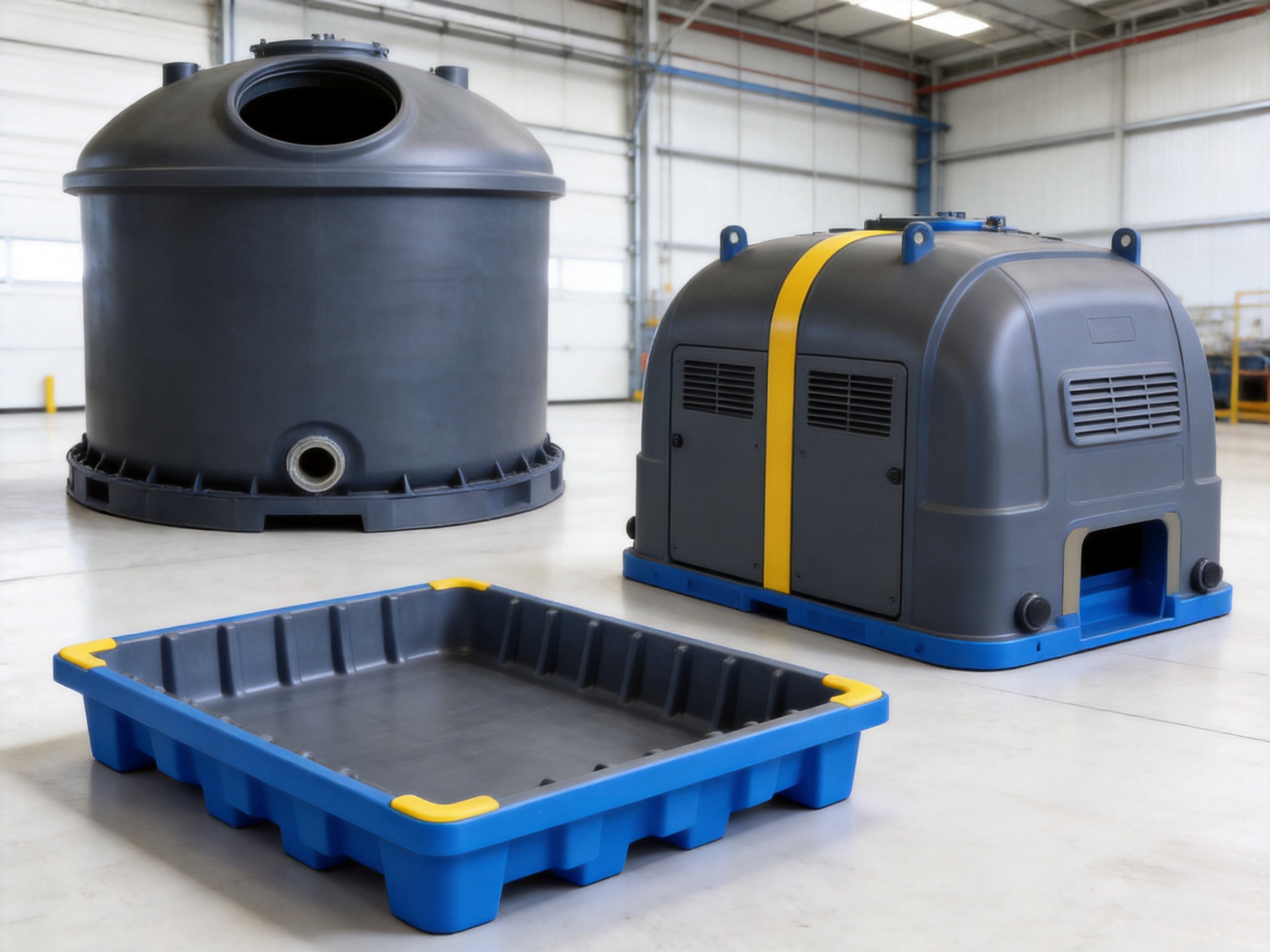
Recommended Selection Process for Buyers
Manufacturers should evaluate several factors before ordering an industrial cleaning mold. A clear specification reduces communication errors and helps the mold supplier recommend the most appropriate design.
Define the Final Product
Provide drawings, three-dimensional files, dimensions, capacity, weight targets, expected loads, operating temperature, and environmental conditions. If the product will contain chemicals or waste, identify the substances and expected exposure.
Describe the Production Equipment
Machine information should include the heating method, oven dimensions, arm configuration, rotation capability, mold mounting arrangement, cooling system, and available process controls. Tooling must fit the equipment and provide adequate clearance during rotation.
Confirm the Polymer and Performance Requirements
Common rotational molding polymers may include different grades of polyethylene and other materials selected for chemical resistance, impact performance, stiffness, flexibility, or outdoor use. The material affects mold design and processing conditions, so it should be confirmed early.
Identify Critical Dimensions
Some dimensions may be more important than others. Customers should identify sealing surfaces, pipe connections, mounting holes, stacking interfaces, access openings, and assembly areas that require tighter control.
Plan for Inspection and Maintenance
The project should include an inspection plan for the mold and the first samples. Maintenance requirements, surface repair, storage, cleaning, and future product modifications should also be discussed before final approval.
Maintenance Practices for Longer Mold Service Life
Proper maintenance helps preserve mold quality and reduce unexpected downtime. After production, the mold should be cleaned using methods compatible with its surface finish and construction. Polymer residue, dust, moisture, and contaminants should not be allowed to accumulate on parting surfaces or mounting areas.
Operators should inspect closure systems, hinges, fasteners, inserts, vents, handles, and support frames. Any looseness, deformation, corrosion, or damage should be addressed before the next production cycle. Parting surfaces should remain clean so that the mold closes correctly and does not create excessive flash.
Storage conditions also matter. The mold should be supported properly to prevent distortion and protected from unnecessary moisture or impact. Large tooling should be handled with suitable lifting equipment and should not be dragged across workshop floors or placed on unstable supports.
Periodic sample inspection can reveal gradual changes in product quality. If wall distribution, dimensions, surface finish, or demolding behavior begins to change, the mold and process should be reviewed. Early action can prevent minor wear from becoming a major production issue.
Why Integrated Mold and Product Support Matters
Some suppliers provide only a basic tooling product, leaving the customer to solve product design, process validation, and production problems independently. An integrated supplier can offer greater value by connecting mold engineering with finished-product manufacturing.
Jiangsu Zhroto Mould Co., Ltd. provides one-stop support from product design and optimization to mold manufacturing, trial production, inspection, finished-product processing, delivery, and technical assistance. This approach enables engineers to evaluate whether the product geometry is suitable for rotational molding and whether the mold can produce the required result consistently.
Integrated support is particularly valuable for first-time rotational molding projects. Customers may need guidance on wall distribution, corner radii, reinforcement, draft, openings, material loading, machine compatibility, and heating strategy. Early technical cooperation can reduce redesigns and improve the transition from concept to production.
It also benefits experienced manufacturers launching a new product. Even when a company understands rotational molding, an external engineering team can provide additional capacity for large tooling, complex housings, specialized tanks, or electric-heated production systems.
Frequently Asked Questions
What is an industrial cleaning mold?
An industrial cleaning mold is tooling used to manufacture plastic tanks, containers, pallets, machine housings, and related products for cleaning, containment, storage, wastewater handling, and industrial equipment protection. It is commonly designed for rotational molding and must support repeated heating, rotation, cooling, and demolding.
Why is rotational molding suitable for cleaning equipment?
Rotational molding can produce large seamless hollow products with relatively uniform walls and flexible shapes. The process supports curved surfaces, integrated reinforcement, handles, openings, and other features. Seamless construction may reduce weak points and can make products easier to clean and inspect.
What are the advantages of a sand-cast aluminum mold?
Sand-cast aluminum molds can provide practical production of large and complex tooling, favorable heat transfer, good surface finishing potential, and adaptability to different product designs. Their performance depends on correct engineering, machining, surface treatment, and process validation.
When should a rotomolded tank mold be selected?
A tank mold is suitable when the product requires a large hollow structure for liquid storage, cleaning operations, water handling, chemical processing, or wastewater collection. The design should account for capacity, drainage, access, reinforcement, wall distribution, fittings, and cleaning requirements.
What is heavy-duty container tooling used for?
Heavy-duty container tooling is used for bins, pallets, spill-control products, waste containers, transport boxes, and other products exposed to repeated impact, stacking, lifting, and handling. The tooling emphasizes reinforced corners, stable walls, impact resistance, and functional handling features.
Can rotational molding produce machine housings?
Yes. Rotational molding can produce large protective housings with curved shapes, hollow structures, mounting features, access openings, and ventilation areas. The mold must be designed carefully to achieve the dimensional precision required for integration with internal equipment.
What information should be provided before mold design begins?
Customers should provide product drawings or three-dimensional files, dimensions, capacity, material requirements, operating conditions, expected loads, production volume, machine information, heating method, critical interfaces, and surface-finish expectations. This information allows the mold design to reflect the actual application.
How is mold quality validated?
Mold quality is validated through design review, dimensional inspection, surface inspection, trial molding, and finished-sample testing. The sample should be checked for wall distribution, dimensions, flatness, openings, surface condition, demolding, leakage resistance, and functional performance.
Does the company support electric-heated rotational molding?
Yes. The company has invested in electric-heated rotational molding capabilities since 2023. Electric heating can provide more precise temperature management and independent heating zones for applications that require tighter process control.
How can mold service life be extended?
Regular cleaning, inspection of parting surfaces and closure systems, correct handling, suitable storage, and timely repair can help extend mold service life. Process conditions should also remain within validated limits to reduce unnecessary thermal and mechanical stress.
Conclusion
A high-quality industrial cleaning mold is the foundation of reliable production for tanks, containers, pallets, machine housings, and other large hollow products. Rotational molding provides a practical method for creating seamless, lightweight, and durable components, while sand-cast aluminum tooling offers useful thermal performance, design flexibility, and surface-quality potential.
The best results come from treating the mold as part of a complete manufacturing system. Product geometry, polymer selection, machine compatibility, heating method, rotation pattern, cooling procedure, inspection, and maintenance must work together. Professional design review, three-dimensional modeling, accurate machining, trial molding, and sample validation help reduce production risks and improve repeatability.
With expertise in rotational molding molds, finished plastic products, large tooling, electric-heated equipment, and integrated technical services, Jiangsu Zhroto Mould Co., Ltd. is positioned to support industrial cleaning and related applications from concept through production. Its standardized manufacturing facility, established quality systems, broad application experience, and annual capacity of more than 800 mold sets provide a strong foundation for customized tooling projects.
For manufacturers seeking durable cleaning vessels, anti-leak pallets, heavy-duty containers, or protective equipment housings, selecting the right industrial cleaning mold can improve product quality, simplify maintenance, strengthen production stability, and support long-term manufacturing efficiency.
References
1. Jiangsu Zhroto Mould Co., Ltd. Company Profile and Manufacturing Capability Information.
2. Rotational Molding Process Engineering and Product Design Principles.
3. Aluminum Casting, Machining, and Surface Finishing Practices for Industrial Tooling.
4. Industrial Container Design Considerations for Impact, Leakage Control, and Repeated Handling.
5. Quality Management Systems: ISO 9001:2015 General Principles and Application Guidance.
6. Environmental Management Systems: ISO 14001:2015 General Principles and Application Guidance.
7. Occupational Health and Safety Management Systems: ISO 45001:2018 General Principles and Application Guidance.
8. Engineering Guidelines for Large Hollow Plastic Products and Rotational Molding Process Validation.
Product: Industrial cleaning mold


We provide customers with one-stop services ranging from product design, mold manufacturing to finished product production.
-
 +86-18006248936
-
 ricky.t@zhroto.com
-
 No.9 Jiangyuan Road, Luotang Street, Jiangyan District, Taizhou City,Jiangsu Province, China
Copyright © Jiangsu Zhroto Mould Co., Ltd. Rights Reserved.Custom Rotational Plastic Molding Factory
