 en
 中文简体
 русский
 Español
 Deutsch
 Polskie
 REQUEST A QUOTE

 Home / Author / Mei-Rong Alvarado — Product After-Sales Service Manager / Agricultural Machinery Parts Molds: Engineering Durable Rotational Tooling for Reliable Farm Equipment
Agricultural Machinery Parts Molds: Engineering Durable Rotational Tooling for Reliable Farm Equipment
Content
- 1 Why Agricultural Machinery Requires Specialized Molds
- 2 Rotational Molding as a Suitable Production Process
- 3 Product Advantages Over Competing Tooling Approaches
- 4 Design Features That Improve Mold Performance
- 5 Advanced Digital Engineering and Tool Development
- 6 High-Quality Materials and Precision Manufacturing
- 7 Heating Systems and Process Control
- 8 Applications Across Agricultural Equipment
- 9 Maintenance and Factors Affecting Mold Lifespan
- 10 Quality Management and Integrated Service
- 11 How to Select the Right Agricultural Machinery Parts Mold
- 12 Frequently Asked Questions
- 12.1 What is an agricultural machinery parts mold?
- 12.2 Why is rotational molding suitable for agricultural equipment?
- 12.3 What are the main advantages of a one-piece mold structure?
- 12.4 Can rotational molds produce chemical-resistant agricultural components?
- 12.5 How does mold design affect wall-thickness uniformity?
- 12.6 What heating systems are available for rotational molding?
- 12.7 How can the service life of an agricultural mold be extended?
- 12.8 Does Jiangsu Zhuohe Mould Co., Ltd. provide customized molds?
- 12.9 What information should customers provide when requesting a mold quotation?
- 13 Conclusion
- 14 References
- 15 Product: Agricultural machinery parts mold
Agricultural machinery operates in some of the most demanding working environments in modern manufacturing. Tractors, harvesters, seeders, irrigation systems, sprayers, loaders, and specialized farm equipment are exposed to dust, mud, moisture, fertilizers, pesticides, ultraviolet radiation, vibration, impact, temperature fluctuations, and long operating hours. Every protective cover, tank, housing, guard, fender, and structural plastic component must therefore combine strength, dimensional stability, chemical resistance, and reliable appearance.
The agricultural machinery parts mold is central to achieving these requirements. A well-engineered mold does more than define the external shape of a component. It influences wall-thickness uniformity, surface finish, dimensional accuracy, production repeatability, demolding efficiency, tooling lifespan, and the total cost of ownership. When the mold is designed for rotational molding, it can also support large hollow parts with seamless construction, complex curved surfaces, integrated details, and comparatively efficient production changeovers.
Jiangsu Zhuohe Mould Co., Ltd. specializes in the design and manufacture of rotational molding molds and related technical solutions. Its agricultural tooling is developed for applications including tractor covers, machine housings, protective panels, fenders, fluid tanks, air-intake housings, hopper liners, seeding equipment components, and other large plastic parts. By combining digital engineering, CNC machining, trial molding, inspection, and production support, the company provides an integrated approach to agricultural machinery component manufacturing.
This article examines the main advantages of agricultural machinery parts molds, explains how rotational tooling compares with alternative manufacturing approaches, and describes the engineering and production methods used to improve quality, durability, flexibility, and long-term value.
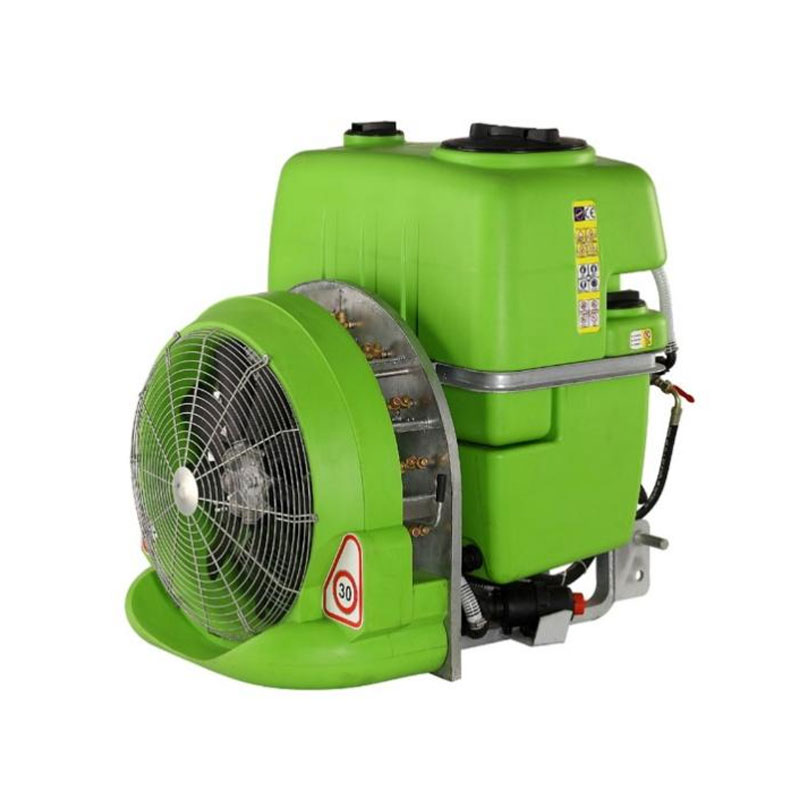
Agricultural machinery parts mold
Why Agricultural Machinery Requires Specialized Molds
Agricultural equipment is different from many indoor industrial products because its operating conditions are unpredictable and continuously changing. A machine may work on uneven ground, transport heavy loads, or operate for many hours during short planting and harvesting seasons. Plastic components must withstand repeated vibration and impact while maintaining their shape and connection with adjacent metal, plastic, or rubber parts.
Environmental exposure creates additional challenges. Dust and soil can accumulate around joints and mounting areas. Rain, standing water, and washdown procedures can affect external surfaces. Fertilizers, pesticides, fuels, lubricants, and cleaning agents may come into contact with tanks, guards, and housings. In outdoor storage conditions, ultraviolet radiation and seasonal temperature changes can accelerate material aging if the product design and material selection are unsuitable.
These conditions place significant demands on the mold. The tooling must maintain its geometry through repeated heating and cooling cycles. Its cavity surface must remain stable enough to preserve appearance and dimensional consistency. Mounting points, hinges, parting features, and demolding areas must be engineered to minimize stress and prevent damage during production. For large parts, mold stiffness and thermal uniformity are especially important because even small deviations can produce visible distortion or uneven wall thickness.
A specialized agricultural machinery parts mold is therefore developed around the complete application rather than only the nominal shape of the product. Engineers must consider the expected load, installation method, operating environment, plastic material, production volume, heating system, cooling cycle, surface requirements, and maintenance plan. This application-based design philosophy helps manufacturers obtain more reliable parts and reduce avoidable tooling problems.
Rotational Molding as a Suitable Production Process
Rotational molding is widely used for large hollow plastic components because the process can form a part without conventional weld seams in the main body. During production, a measured quantity of polymer powder is placed inside the mold. The mold is then heated and rotated around multiple axes. As the polymer melts, it gradually coats the internal cavity surface. After the material reaches the required condition, the mold is cooled while rotation continues, and the finished part is removed.
This process provides several advantages for agricultural equipment components. It can produce large, hollow structures with relatively even wall distribution, integrated contours, and a wide range of geometries. It is also suitable for parts with deep cavities, curved surfaces, rounded transitions, and enclosed volumes that may be difficult or expensive to manufacture using other methods.
The one-piece rotational molding approach used for agricultural machinery parts molds creates a seamless tooling structure. Reducing unnecessary joints and poorly integrated sections can improve mold stability and help eliminate weak areas that may contribute to deformation or cracking. A stable one-piece structure also supports consistent heat transfer and predictable material distribution during production.
Rotational molding is particularly valuable when a product family includes multiple sizes or configurations. The tooling structure is comparatively simple, and product changes can often be managed efficiently through planned mold replacement or modular design. This flexibility helps manufacturers respond to seasonal agricultural demand and changing equipment specifications without investing in overly complex tooling for every variation.
Seamless Construction and Structural Reliability
One of the most important advantages of rotational molding is the ability to produce seamless hollow parts. Conventional fabrication may require several sections to be joined through welding, bonding, or mechanical fastening. Every joint can introduce a potential weakness, leak path, visual inconsistency, or stress concentration. A rotationally molded body is formed as an integrated structure, which can improve fatigue resistance and simplify cleaning.
For agricultural tanks, protective covers, and machine housings, seamless construction can support long-term reliability. Fewer joints may reduce the risk of leakage in fluid-handling components and reduce the number of areas where soil, water, or chemical residue can accumulate. For protective parts, a continuous surface can distribute impact more effectively and provide a cleaner appearance.
The mold itself also benefits from a carefully integrated structure. A seamless mold cavity can reduce alignment problems and improve repeatability. When the tooling is engineered as a stable whole, the production team can more easily control parting features, mounting locations, and demolding procedures. This is especially valuable for large components that are difficult to handle manually.
Low Residual Stress in Finished Parts
Residual stress is a significant concern in plastic component manufacturing. Uneven cooling, excessive pressure, abrupt geometry changes, and inconsistent material distribution can cause a part to warp, crack, or change dimensions over time. Rotational molding uses relatively low internal pressure and forms the part through controlled material coating, helping reduce the stress commonly associated with high-pressure processes.
Low residual stress is valuable for agricultural machinery components because the parts may be exposed to vibration, impact, temperature cycling, and chemical contact for extended periods. A low-stress structure is less likely to experience premature deformation or cracking when correctly designed and processed. It also supports better dimensional stability during storage, installation, and field operation.
Although the final result depends on material selection, heating, cooling, geometry, and process control, a properly designed rotational mold provides a strong foundation for producing stable parts. Uniform cavity heating and suitable wall-thickness planning are essential for converting the process advantage into dependable product performance.
Product Advantages Over Competing Tooling Approaches
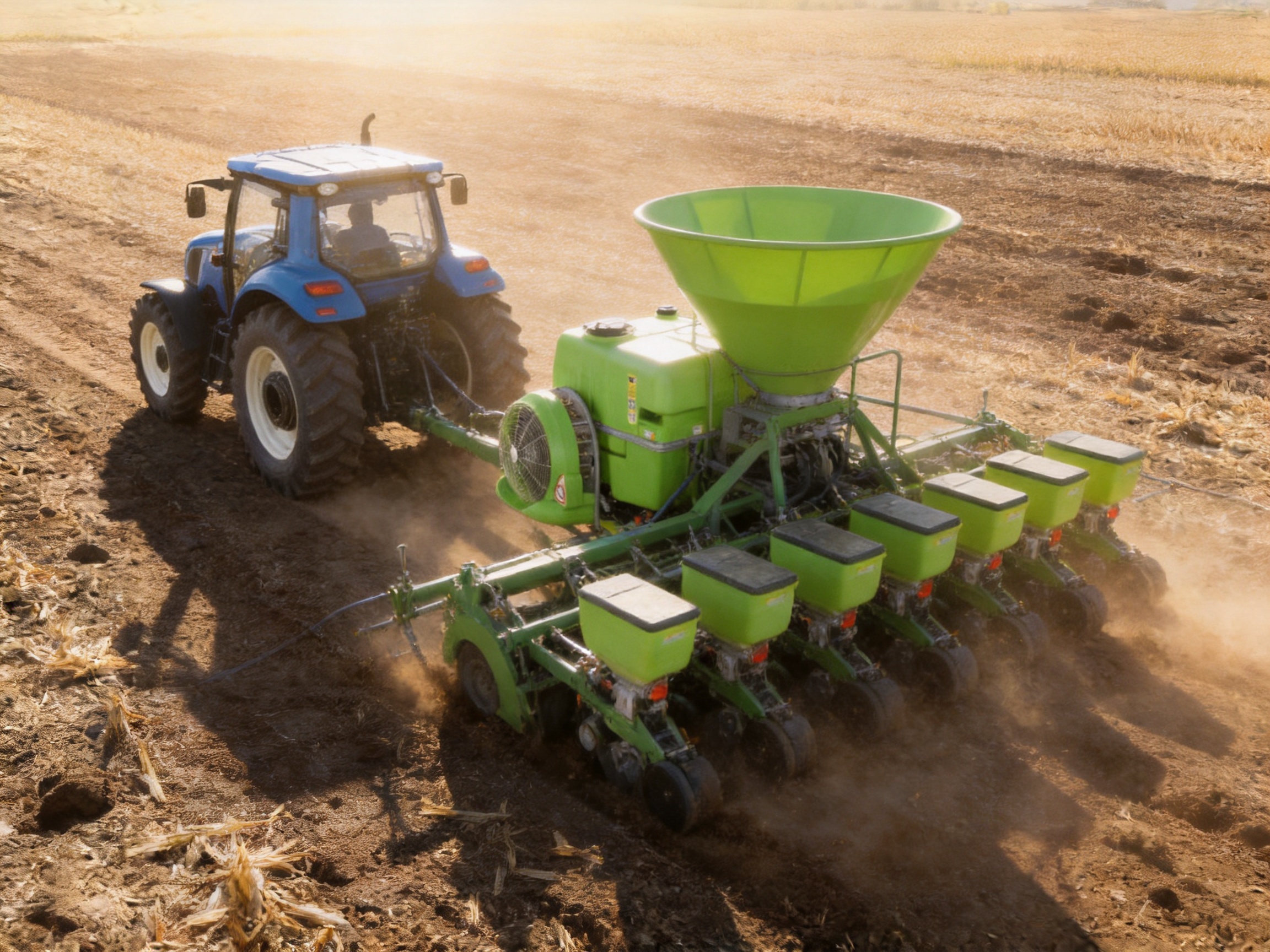
Agricultural machinery parts molds compete with several tooling and production options, including injection molding, fabricated sheet-metal tooling, welded mold assemblies, and other specialized processes. Each method has an appropriate application range, but rotational tooling offers a particularly balanced solution for large, hollow, curved, or low-to-medium-volume components.
Lower Complexity for Large Hollow Parts
Injection molding is highly effective for small and medium-sized precision components manufactured in large volumes. However, very large injection molds require substantial equipment capacity, complex mold structures, high clamping force, and significant investment. For large agricultural housings, tanks, and protective covers, rotational molding can provide a more practical alternative because the process does not require the same level of injection pressure or clamping force.
The mold structure can remain relatively simple while still supporting large dimensions and complex curves. This reduces unnecessary tooling complexity and can make development more economical for specialized agricultural equipment programs. It also allows manufacturers to produce parts that might otherwise require multiple fabricated sections and subsequent assembly.
Reduced Dependence on Welded Tooling Sections
Welded mold assemblies can be useful for certain products, but welds and joined sections require careful finishing, alignment, and inspection. Poorly integrated areas may affect the final surface, heat transfer, or dimensional consistency. A one-piece rotational molding structure minimizes these concerns by providing a more continuous cavity and a more stable production reference.
For visible agricultural components, surface continuity is especially important. Operators and equipment owners expect covers and housings to have consistent appearance, smooth curves, and clean transitions. A carefully machined mold cavity helps support these requirements while reducing the need for repeated surface correction after tooling is completed.
More Flexible Product Development
Agricultural machinery manufacturers often develop equipment in several sizes or configurations. Product requirements may change according to regional regulations, customer preferences, machine capacity, or seasonal market demand. Rotational molding supports this environment because the mold design can accommodate large curved surfaces, integrated ribs, mounting features, logos, textures, and other details.
When a new component is required, three-dimensional engineering can be used to evaluate the product before machining begins. Engineers can examine draft angles, wall-thickness distribution, parting areas, corner transitions, demolding access, and mounting points. Detecting problems during digital design is less expensive and less disruptive than correcting them after the mold has been manufactured.
Efficient Changeover for Product Families
Product changeover is another area in which rotational tooling can offer an advantage. A straightforward mold structure and organized production process can help manufacturers replace one mold with another and adapt to different component designs. This flexibility is useful for suppliers serving several agricultural equipment manufacturers or producing parts for multiple machine platforms.
Fast changeover does not mean sacrificing quality. Each mold must still be checked for correct installation, cavity condition, heating connections, venting, and release performance. However, a well-planned design can shorten preparation time and reduce unnecessary downtime compared with more complicated tooling systems.
Design Features That Improve Mold Performance
The performance of an agricultural machinery parts mold begins with product design and continues through cavity engineering, machining, assembly, trial molding, and maintenance. Several design features have a direct influence on part quality and tool lifespan.
Controlled Corners and Curved Transitions
Sharp internal corners can create material distribution problems and localized stress. Rounded transitions are generally more suitable for rotational molding because polymer powder can move more evenly across the cavity surface. Properly designed radii also improve the strength of the finished component and reduce the risk of thin areas or incomplete coating.
For protective covers and housings, curved transitions can improve impact resistance and appearance. For tanks and containers, smooth internal corners can make cleaning easier and reduce areas where residue may collect. The mold designer must balance product requirements with machining accessibility, demolding conditions, and the intended wall thickness.
Draft and Demolding Considerations
Although rotational molding does not use the same ejection system as injection molding, demolding remains a critical design issue. Deep cavities, undercuts, narrow openings, and poorly positioned parting lines can make removal difficult. Excessive force during demolding may damage the part edge, cavity surface, mounting area, or hardware.
Engineers should evaluate the release direction and handling method during the early design stage. Suitable draft, accessible parting features, carefully positioned inserts, and practical lifting points can reduce production risk. A mold that is easy to demold is also easier to inspect, clean, repair, and return to service.
Venting and Air Management
Air management influences both product quality and process stability. During heating, air inside the mold and gases generated during polymer processing must be managed appropriately. Venting components should be positioned and protected so that they support process requirements without creating unwanted surface defects or maintenance difficulties.
For large agricultural components, vent design must account for cavity volume, geometry, heating rate, cooling conditions, and material characteristics. Incorrect venting may contribute to bubbles, incomplete coating, dimensional instability, or surface imperfections. A professional tooling manufacturer evaluates these factors as part of the complete mold design rather than treating venting as an afterthought.
Integrated Mounting and Functional Details
Rotational molding can support the integration of ribs, bosses, mounting points, logos, surface textures, handles, and other design features directly into the part. This can reduce the number of separate components required during assembly and improve the overall appearance of the equipment.
Integrated features must be designed with appropriate thickness, radii, and material flow in mind. A feature that is too deep, thin, or isolated may not fill consistently. Digital modeling and trial molding help confirm whether the proposed details can be produced reliably. When correctly engineered, integrated features can improve structural performance while reducing secondary operations.
| Component type | Typical function | Primary tooling requirement | Important production consideration |
| Protective cover or guard | Protection from impact, dust, and weather | Rigid cavity, stable surface, accurate mounting features | Impact resistance and consistent appearance |
| Fluid tank or reservoir | Storage and transfer of water, chemicals, or agricultural fluids | Uniform wall thickness, reliable sealing areas, dimensional accuracy | Chemical resistance and leak prevention |
| Machine housing | Protection of internal mechanisms and controls | Complex geometry, repeatable contours, suitable draft | Easy assembly and precise interface dimensions |
| Fender or curved panel | Shielding wheels, operators, and nearby equipment | Smooth curves, strong edges, controlled surface finish | Appearance, vibration resistance, and mounting stability |
| Hopper liner or agricultural container | Guiding or containing seed, grain, fertilizer, or other materials | Wear-resistant surface and smooth internal transitions | Easy cleaning and resistance to abrasion |
Advanced Digital Engineering and Tool Development
Modern agricultural tooling requires more than manual pattern making. Digital engineering provides a structured way to convert a product concept into a production-ready mold. Jiangsu Zhuohe Mould Co., Ltd. uses three-dimensional modeling, CAD/CAM methods, engineering review, and machining planning to support complex agricultural applications.
The process normally begins with product information, drawings, samples, or three-dimensional data. Engineers review the proposed geometry and identify areas that may create manufacturing difficulties. These may include insufficient draft, sharp transitions, excessive depth, difficult parting lines, thin sections, inaccessible mounting areas, and uneven wall-thickness risks.
Product structure optimization follows this initial review. The goal is not to change the function of the component but to make the design more suitable for rotational production. Adjustments may include modifying radii, refining transitions, repositioning hardware, improving release conditions, strengthening local areas, or adding features that support accurate assembly.
Three-dimensional mold design then establishes the cavity, parting structure, vents, inserts, mounting points, and other tooling details. Digital review allows engineers and customers to confirm the mold construction before machining. This reduces misunderstandings and helps ensure that the final tool corresponds to the intended product.
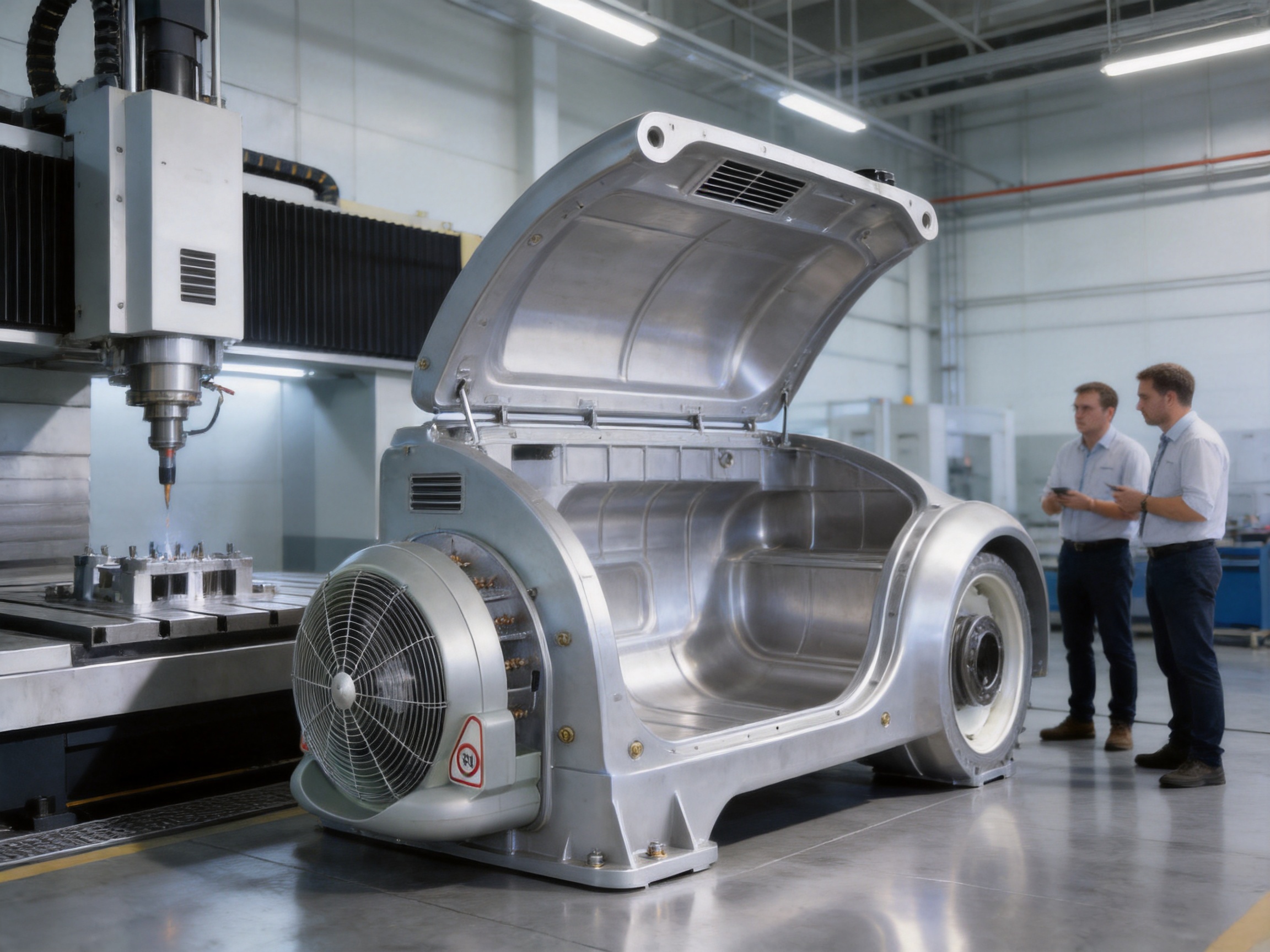
CAD/CAM programming converts the approved design into machining data. Complex contours can be produced with high-speed five-axis gantry machining centers and other precision equipment. Five-axis capability is valuable for large cavities and curved surfaces because it can maintain more appropriate tool orientation and reduce the need for repeated repositioning.
Accurate machining contributes directly to surface quality and dimensional stability. A well-machined cavity reduces the amount of manual finishing required and helps preserve consistent product geometry across repeated production cycles. It also supports the manufacture of detailed features, logos, ribs, textures, and mounting points.
High-Quality Materials and Precision Manufacturing
Tooling material must be selected according to the mold size, heating method, production frequency, surface requirements, and expected service conditions. Jiangsu Zhuohe Mould Co., Ltd. identifies high-grade aluminum alloy as a key material for its rotational mold manufacturing. Aluminum alloy provides a useful combination of thermal conductivity, machinability, strength, and relatively manageable weight.
Thermal conductivity is important because rotational molding depends on controlled heat transfer from the mold to the polymer. A mold that heats evenly can support more consistent melting and coating. Improved thermal behavior can help reduce local underheating, overheating, thin spots, and unnecessary cycle variation.
Material quality also influences the long-term condition of the mold. The tooling must withstand repeated heating and cooling without excessive distortion. Its surface must remain suitable for producing the required appearance and release performance. Material verification before machining is therefore an important quality step.
Precision CNC machining follows the approved digital design. The manufacturing sequence may include rough machining, semi-finishing, finishing, drilling, insert preparation, edge treatment, surface refinement, and assembly. Each step must be controlled to prevent dimensional drift and preserve the intended cavity geometry.
After machining, the mold is assembled and checked. Engineers inspect critical dimensions, parting areas, mounting points, cavity surfaces, vents, hardware, and other functional features. The objective is to confirm that the tooling is mechanically complete and ready for trial production.
Trial Molding and Sample Validation
Trial molding is one of the most important stages in the development of an agricultural machinery parts mold. A mold may meet its drawing requirements and still require process adjustment before it produces a fully acceptable component. Trial production provides practical evidence of how the cavity, material, heating system, cooling cycle, and demolding method work together.
During the trial, engineers evaluate surface appearance, wall-thickness uniformity, edge condition, dimensional accuracy, release performance, feature definition, and possible deformation. For tanks and containers, leak-related areas and connection points receive particular attention. For covers and housings, mounting interfaces, curves, panel flatness, and visual quality are carefully reviewed.
Sample validation allows the manufacturer to identify and correct problems before delivery or mass production. Possible adjustments may involve heating time, rotational speed, material quantity, cooling conditions, venting, inserts, or minor tooling refinements. This staged approach reduces the risk of transferring unresolved issues to the customer’s production line.
Inspection records can also establish a useful reference for future maintenance. If the mold is later returned for service, the original sample dimensions and surface condition provide a baseline for comparison. This supports preventive maintenance and helps identify gradual changes before they affect large quantities of parts.
Heating Systems and Process Control
Heating uniformity is essential to rotational molding. If different regions of the cavity receive substantially different heat input, polymer distribution may become inconsistent. Local overheating can affect appearance and material performance, while underheating may produce thin or incompletely fused areas.
Conventional gas-heated rotational molding systems remain widely used for many agricultural products. They can provide effective heating for large molds and are suitable for a broad range of applications when properly controlled. The equipment configuration must match the mold size, product geometry, cycle requirements, and production environment.
Electric-heated rotational molding systems provide another option where precise temperature management is particularly important. Independent heating zones can offer better control over complex cavities and products with demanding wall-thickness requirements. Zoned control may help engineers adjust heat input according to the geometry of the part rather than applying the same thermal condition everywhere.
Jiangsu Zhuohe Mould Co., Ltd. has developed capabilities for both conventional gas-heated and electric-heated rotational molding systems. This allows the tooling and process solution to be selected according to the customer’s product requirements, production volume, geometry, and quality expectations.
Process control should cover more than temperature alone. Loading, mold rotation, heating time, cooling rate, demolding timing, and inspection methods all influence final quality. A mold cannot compensate for uncontrolled production practices. For this reason, equipment, tooling, material, and operator procedures must be considered as one manufacturing system.
Applications Across Agricultural Equipment
Agricultural machinery parts molds can be adapted to a wide range of equipment components. Tractor cabs, fenders, engine covers, fuel and water tanks, air-intake housings, seed hoppers, fertilizer containers, protective guards, and control enclosures can all benefit from rotationally molded structures when the design is suitable.
Tractor covers and fenders require stable curves, impact resistance, attractive surfaces, and accurate mounting points. These components may be exposed to mud, vibration, branches, tools, and repeated cleaning. A strong mold with reliable surface quality helps maintain the appearance and fit of the finished part.
Fuel tanks, water tanks, and agricultural fluid containers require particular attention to wall distribution, sealing areas, and chemical compatibility. Seamless construction can reduce the number of potential leakage paths. The tooling must also support accurate openings, connection points, and mounting features so that the tank can be installed securely.
Air-intake housings and protective enclosures need accurate interfaces with filters, ducts, fasteners, and internal equipment. Complex curved geometry can be produced through rotational molding while retaining the hollow structure needed for airflow and equipment protection.
Seeders, planters, fertilizer spreaders, and harvesting equipment may use hoppers, liners, covers, or chutes that require smooth internal surfaces and resistance to abrasion or chemical exposure. Integrated ribs and carefully designed transitions can improve strength without creating unnecessary assembly operations.
Outdoor agricultural facilities and auxiliary systems may also use rotationally molded covers, tanks, barriers, and protective structures. The same principles of dimensional stability, environmental resistance, low residual stress, and simplified tooling can support these applications.
Maintenance and Factors Affecting Mold Lifespan
The service life of an agricultural machinery parts mold is determined by the interaction of design, material, production conditions, handling, cleaning, storage, and maintenance. A high-quality mold can provide long-term value, but even the best tooling requires appropriate care.
Thermal cycling is one of the primary sources of stress. Each production cycle exposes the mold to heating and cooling. Over time, repeated temperature changes can affect dimensions, mounting areas, surface condition, and hardware. Uniform heating and appropriate cycle control reduce unnecessary thermal strain.
Production frequency also affects lifespan. A mold used occasionally may experience fewer total cycles than one used continuously during a high-volume seasonal program. Maintenance intervals should therefore be based on actual production cycles and operating conditions rather than calendar time alone.
Demolding technique is another important factor. Excessive force, incorrect lifting, sharp tools, or premature removal can damage edges, inserts, parting areas, and cavity surfaces. Operators should follow a consistent procedure and use suitable handling equipment for large components.
Cleaning should remove polymer residue, dust, oil, and other contaminants without damaging the mold surface. Abrasive tools or unsuitable chemicals may reduce surface quality or alter release performance. Cleaning procedures should be selected according to the tooling material, surface treatment, and production polymer.
Storage conditions can influence long-term tooling condition. Molds should be protected from moisture, impact, contamination, and unnecessary exposure to harsh environments. Openings and sensitive features should be protected, while mounting hardware and electrical connections should be checked before the mold returns to production.
A documented inspection program should examine cavity surfaces, parting areas, vents, inserts, mounting points, lifting features, and hardware. Changes in finished-part dimensions may indicate gradual tooling distortion, wear, or process variation. Early detection allows maintenance to be scheduled before production quality is affected.
Recommended Preventive Maintenance Sequence
- Review production-cycle records and identify tooling used in high-frequency programs.
- Clean the mold after production and remove residue from critical surfaces and features.
- Inspect the cavity, parting areas, vents, inserts, mounting points, and hardware.
- Compare critical product dimensions with approved reference samples or drawings.
- Check for distortion, surface damage, loose components, contamination, and corrosion.
- Repair or replace damaged components before the next major production run.
- Store the mold in a dry, protected location with suitable support and identification.
- Record inspection results so that gradual changes can be tracked over time.
Quality Management and Integrated Service
Agricultural machinery manufacturers increasingly require suppliers that can provide more than an individual mold. They need engineering assistance, prototype validation, production support, quality documentation, and maintenance guidance. An integrated supplier can reduce communication gaps and improve responsibility across the complete development cycle.
Jiangsu Zhuohe Mould Co., Ltd. provides services covering project evaluation, product structure optimization, three-dimensional modeling, mold design confirmation, CNC machining, trial production, sample validation, inspection, delivery, and technical support. This workflow helps connect design decisions with actual production requirements.
The company was founded in 2015 and operates a modern facility in Jiangyan District, Taizhou City, Jiangsu Province. Its site includes more than 12,000 square meters of standardized production workshops within a larger facility of approximately 18,000 square meters. The production environment includes CNC machining equipment, rotational molding systems, assembly areas, inspection capabilities, and related support operations.
Its quality and management systems include ISO 9001:2015, ISO 14001:2015, and ISO 45001 certifications. These systems support organized quality control, environmental management, occupational safety, and consistent operational procedures. The company reports an annual capacity of more than 800 mold sets and 3,600 tons of plastic products.
The company serves customers in agricultural machinery, automotive components, hydrogen energy storage and transportation, industrial equipment, water treatment, outdoor facilities, and other sectors. Experience across these industries can be valuable because it exposes engineers to different requirements involving large structures, chemical resistance, dimensional control, environmental durability, and production efficiency.
How to Select the Right Agricultural Machinery Parts Mold
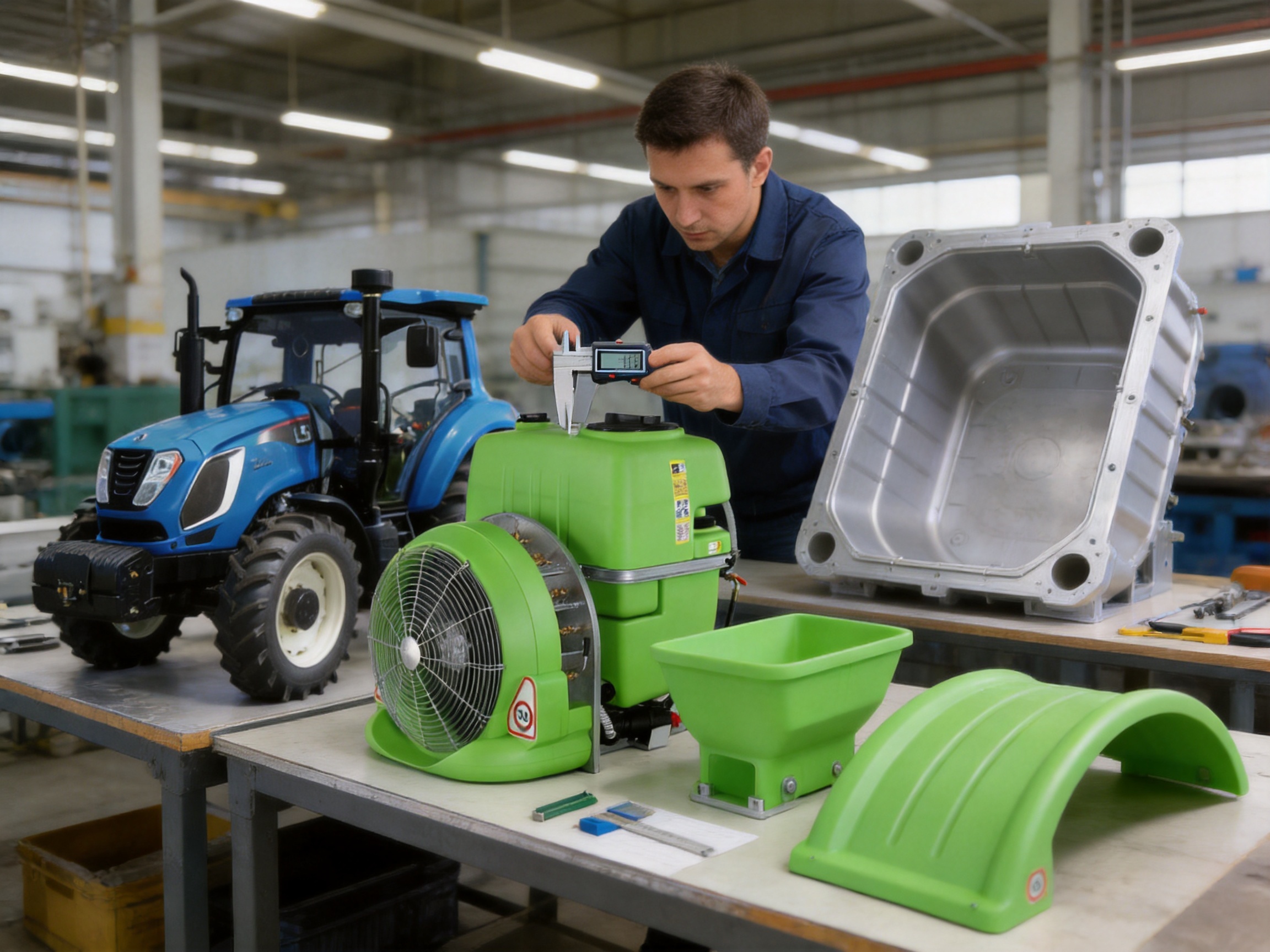
Selecting a mold should begin with the product and its intended operating conditions. Buyers should provide information about component dimensions, plastic material, wall-thickness targets, annual production volume, expected cycle time, installation method, environmental exposure, surface requirements, and available molding equipment.
The mold supplier should then evaluate whether rotational molding is suitable for the geometry and production plan. Large hollow components, curved housings, tanks, guards, and protective panels are usually strong candidates. Smaller high-volume precision parts may require a different process, depending on tolerance, quantity, and design complexity.
Tooling material and heating method should be selected together. The mold must tolerate the expected cycle and transfer heat consistently. For complicated products, independent electric heating zones may provide useful control. For large and relatively straightforward parts, gas heating may offer an efficient solution.
Customers should also assess the supplier’s engineering and inspection capabilities. A supplier with digital design, precision CNC machining, trial molding, and sample validation can identify issues before the mold enters full production. The ability to provide maintenance advice and technical support is equally important for long-term value.
Finally, tooling cost should be evaluated over its complete lifecycle. The lowest purchase price does not necessarily represent the lowest total cost. Downtime, repairs, scrap, inconsistent dimensions, difficult changeovers, and premature replacement can significantly increase operating expenses. A durable, accurately engineered mold may deliver greater value even when its initial price is higher.
Frequently Asked Questions
What is an agricultural machinery parts mold?
An agricultural machinery parts mold is tooling used to manufacture plastic components for farm equipment. Typical products include tractor covers, fenders, machine housings, guards, tanks, reservoirs, hoppers, air-intake housings, and protective panels. When rotational molding is used, the mold forms large hollow parts by distributing heated polymer across the internal cavity surface.
Why is rotational molding suitable for agricultural equipment?
Rotational molding is suitable because it can produce large, hollow, curved, and seamless parts with relatively uniform wall distribution. The process supports complex shapes, integrated details, low residual stress, and flexible product development. It is particularly useful when parts require durable construction but do not justify the complexity of very large injection-molding tools.
What are the main advantages of a one-piece mold structure?
A one-piece structure can reduce weak areas, alignment problems, and unnecessary joints within the tooling. It can support stable cavity geometry, consistent surface quality, and reliable production over repeated thermal cycles. It may also simplify inspection, cleaning, and maintenance compared with a mold assembled from numerous poorly integrated sections.
Can rotational molds produce chemical-resistant agricultural components?
Yes, rotational molding can be used for components made from polymers selected for resistance to fertilizers, pesticides, water, fuels, cleaning agents, and outdoor exposure. The final performance depends on the polymer, additives, wall thickness, design, and processing conditions. Material compatibility should be confirmed according to the actual agricultural application.
How does mold design affect wall-thickness uniformity?
Cavity geometry, corner radii, transitions, venting, heating distribution, mold rotation, material quantity, and cycle settings all affect wall thickness. A suitable design helps the polymer move and coat the cavity more consistently. Trial molding and sample inspection are necessary to confirm the actual result.
What heating systems are available for rotational molding?
Gas-heated and electric-heated systems are both used. Gas heating is widely applicable to large and conventional products. Electric heating can provide more precise temperature control and independent heating zones, which may be beneficial for complex geometries or demanding wall-thickness requirements.
How can the service life of an agricultural mold be extended?
Manufacturers should use suitable tooling materials, maintain uniform heating, follow correct loading and demolding procedures, clean the mold appropriately, inspect critical areas regularly, and store the tool in a protected environment. Accurate production records and preventive maintenance help identify problems before they cause major downtime.
Does Jiangsu Zhuohe Mould Co., Ltd. provide customized molds?
Yes. The company provides customized rotational molding solutions based on product geometry, material, production volume, equipment configuration, and performance requirements. Services may include product optimization, three-dimensional engineering, mold manufacturing, trial molding, sample validation, quality inspection, delivery, production support, and maintenance guidance.
What information should customers provide when requesting a mold quotation?
Customers should provide product drawings or three-dimensional data, component dimensions, material requirements, annual volume, target wall thickness, surface finish, machine information, expected operating environment, and any required inserts or mounting features. Photographs, physical samples, and application details can also help engineers develop an accurate proposal.
Conclusion
An agricultural machinery parts mold is a long-term production asset that directly influences component quality, manufacturing efficiency, and equipment reliability. Agricultural applications require tooling capable of supporting large dimensions, complex curves, chemical exposure, vibration, impact, temperature changes, and repeated production cycles.
Rotational molding provides a strong solution for many of these requirements. Its ability to produce seamless hollow structures, low-stress parts, integrated features, and flexible geometries makes it suitable for tractor components, tanks, guards, housings, fenders, hoppers, and other agricultural products. A one-piece mold structure can further improve stability, surface quality, and maintenance efficiency.
The strongest results come from combining an appropriate process with professional engineering. Digital product optimization, three-dimensional mold design, high-speed five-axis CNC machining, high-grade aluminum alloy, controlled heating, trial molding, sample validation, and multi-stage inspection all contribute to a more reliable tooling solution.
Jiangsu Zhuohe Mould Co., Ltd. combines these capabilities with integrated technical support and certified management systems. Its experience in rotational molding and large plastic component production enables it to provide customized tooling for agricultural machinery manufacturers seeking durable, precise, and adaptable solutions.
For buyers, the most effective selection strategy is to evaluate the complete lifecycle of the mold rather than focusing only on the initial purchase price. Tooling durability, changeover flexibility, dimensional stability, maintenance requirements, production support, and supplier engineering capability should all be considered. When these factors are addressed from the beginning, agricultural equipment manufacturers can achieve more consistent parts, fewer production interruptions, longer mold service life, and lower overall manufacturing costs.
References
1. Association of Rotational Molders. Principles of Rotational Molding and Polymer Processing.
2. American Society for Testing and Materials. Standards and Guidance for Plastic Materials, Rotationally Molded Products, and Dimensional Inspection.
3. International Organization for Standardization. ISO 9001:2015, Quality Management Systems—Requirements.
4. International Organization for Standardization. ISO 14001:2015, Environmental Management Systems—Requirements with Guidance for Use.
5. International Organization for Standardization. ISO 45001, Occupational Health and Safety Management Systems—Requirements with Guidance for Use.
6. Crawford, R. J. Plastics Engineering and Rotational Molding Technology.
7. Strong, A. B. Plastics: Materials and Processing.
8. Technical information supplied for agricultural machinery parts mold design, rotational tooling manufacture, CNC machining, trial molding, and quality validation.
Product: Agricultural machinery parts mold


We provide customers with one-stop services ranging from product design, mold manufacturing to finished product production.
-
 +86-18006248936
-
 ricky.t@zhroto.com
-
 No.9 Jiangyuan Road, Luotang Street, Jiangyan District, Taizhou City,Jiangsu Province, China
Copyright © Jiangsu Zhroto Mould Co., Ltd. Rights Reserved.Custom Rotational Plastic Molding Factory
